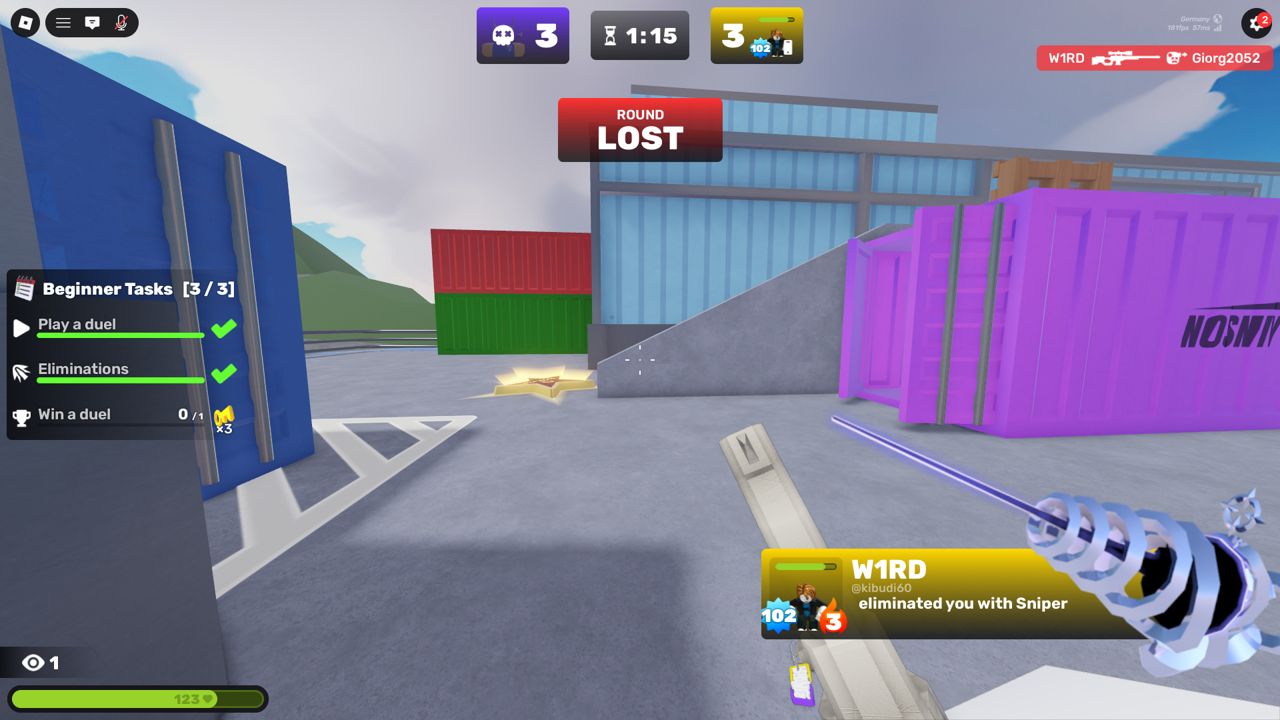
5
round wins to take a duel
What the game is in one read, before we get into the part that actually matters.
Rivals is a round-based arena shooter. You queue into a mode — a first-to-five duel, a 2v2, a 5v5 — spawn with one of a roster of weapons, and fight on tight, readable maps. There are no ties: someone hits five round wins and the match ends on a win-pose animation and a K/D/A readout.
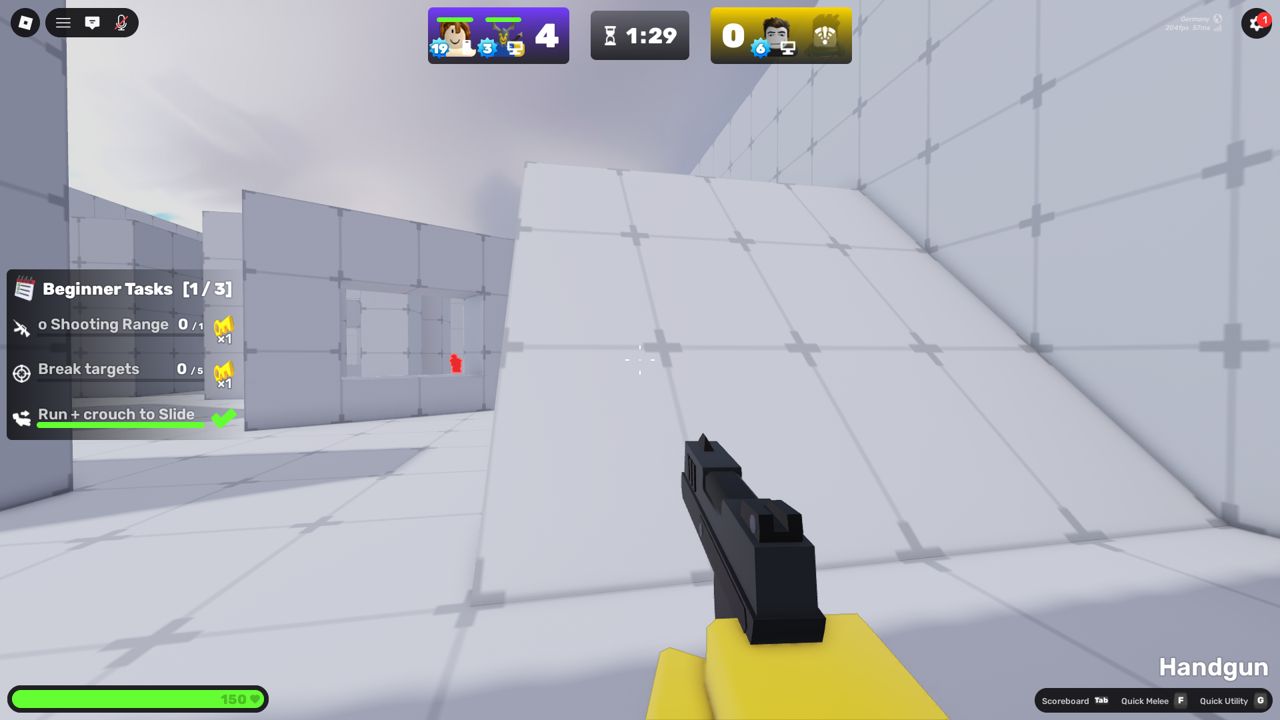
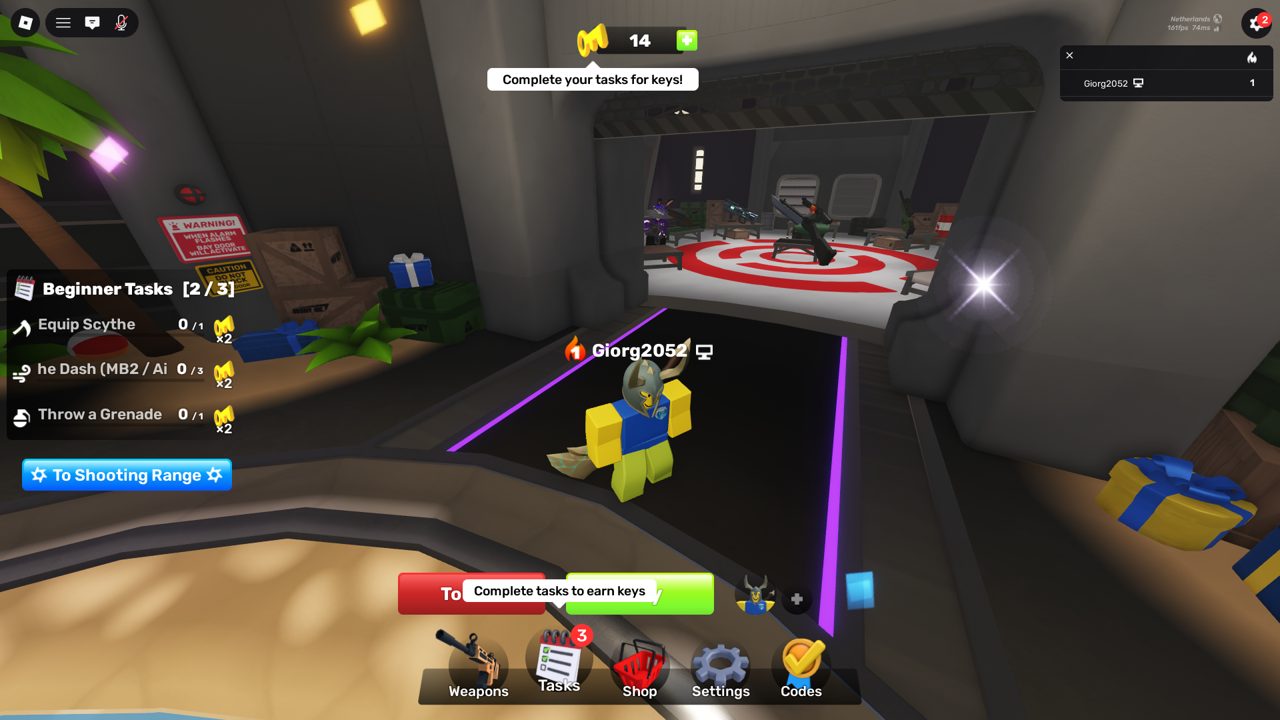
New accounts get pulled straight into a beginner 2v2 the moment they load in — a near-seamless teleport to a separate place, paired with other newcomers and propped up with helper systems (wallhack on beginner maps, auto-aim for mobile and controller). The loop from there is simple: play, earn keys, unlock better weapons and cosmetics, and — the real driver — get mechanically better at the game.
This is the engine of the whole game. Everything Rivals does well, it does here — in the hands, in the milliseconds between trigger and impact.
The shooting model is classic movement-FPS: auto-sprint on by default (toggleable), crouch-dashing, and a floaty, highly controllable jump that lets you steer yourself mid-air. On the small maps duels live on, that air control and slide game matter as much as your aim.
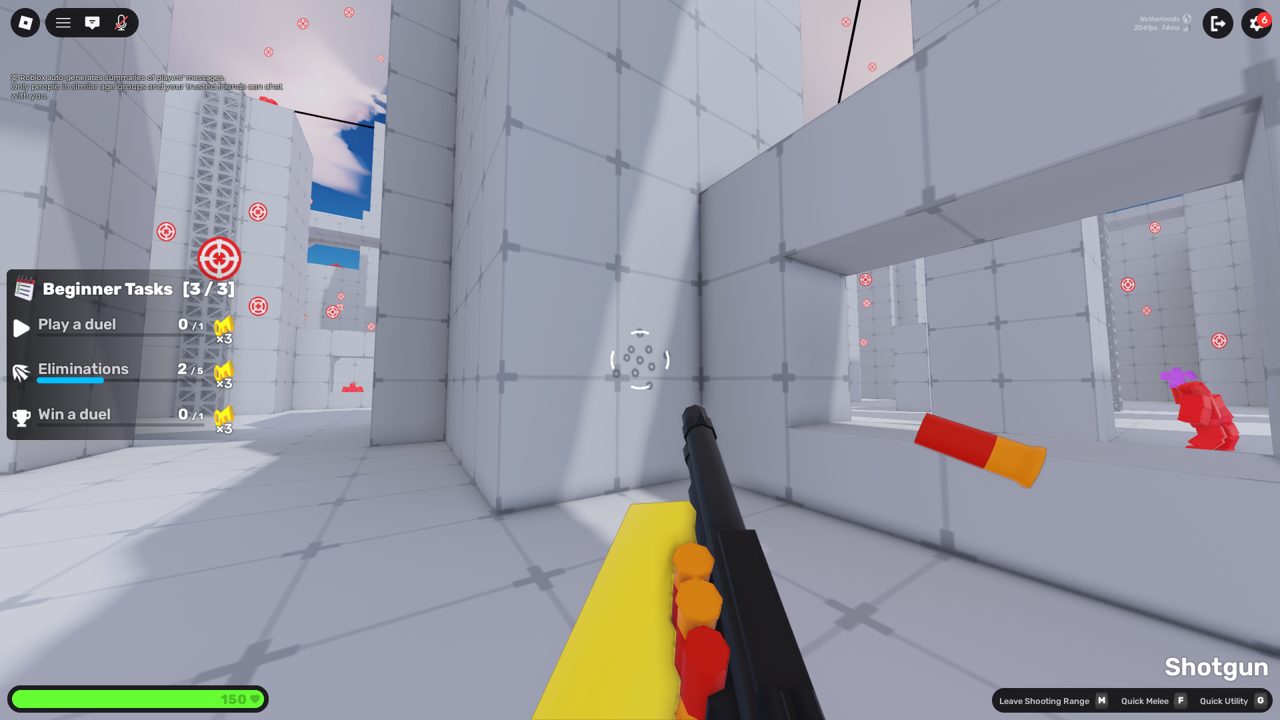
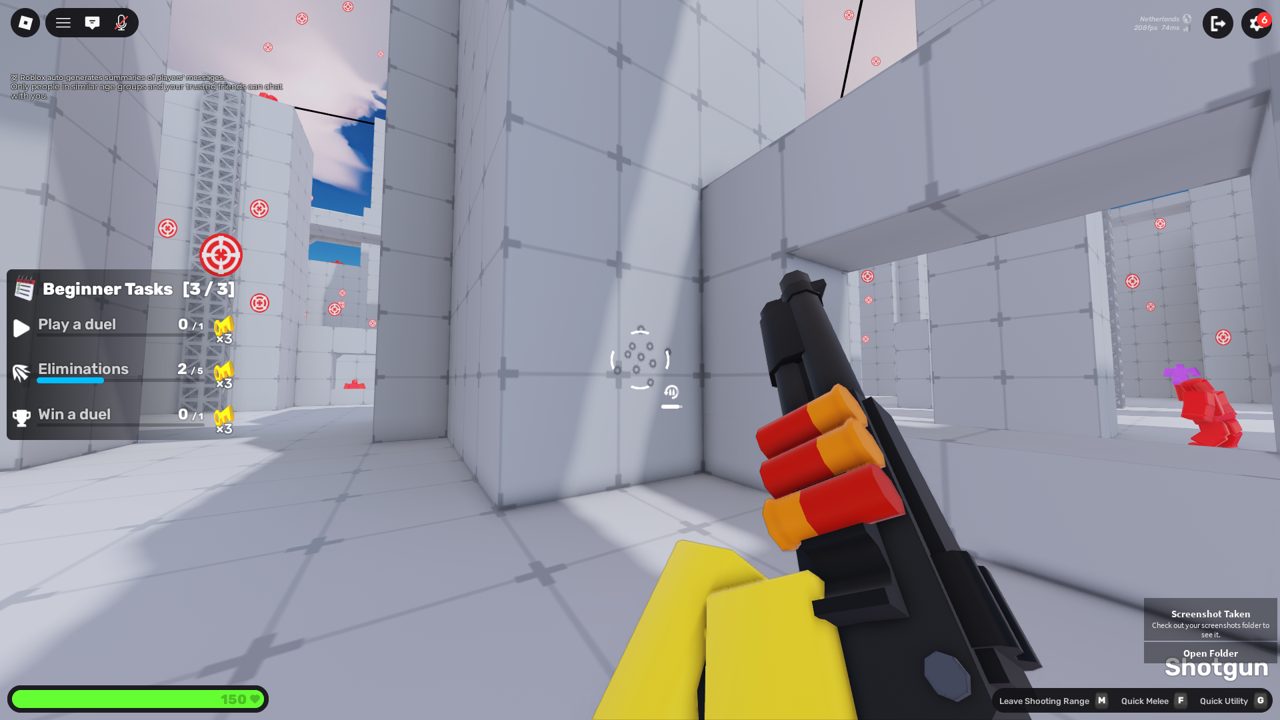
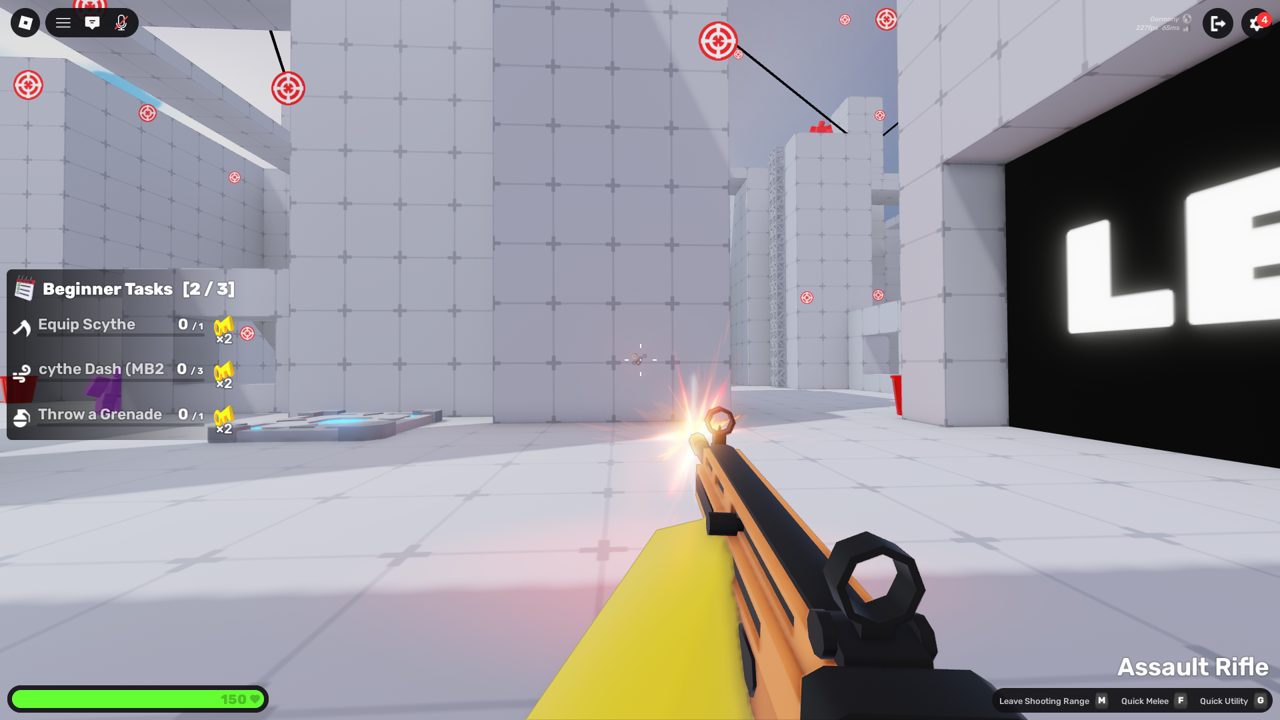
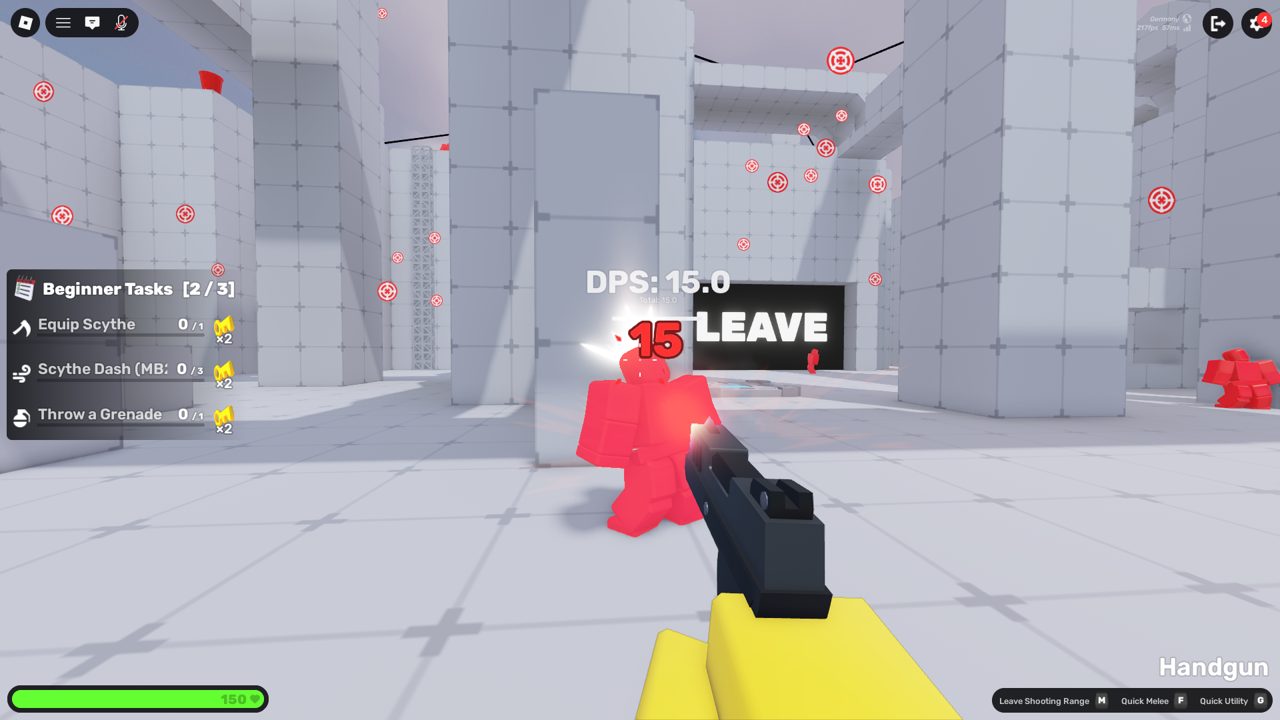
The reason people stay: the game is mechanically demanding, so getting better at it is the progression that never caps out.
Crouch, dash, and jump aren't separate toys — they combine. The floaty air control means you can chain a crouch-dash into a jump into a redirect and use it to reach vantage points or dodge a shot. Maps feed this with environmental objects: some have jump pads that fling you to a sniper perch.
Advanced weapons turn the movement system into expression. The RPG enables rocket-jumping; players combine it with the base movement tech to do things the game never explicitly teaches. The transcript's framing is the key one: people don't just buy better gear, they improve themselves — and that's the retention Rivals is really selling.
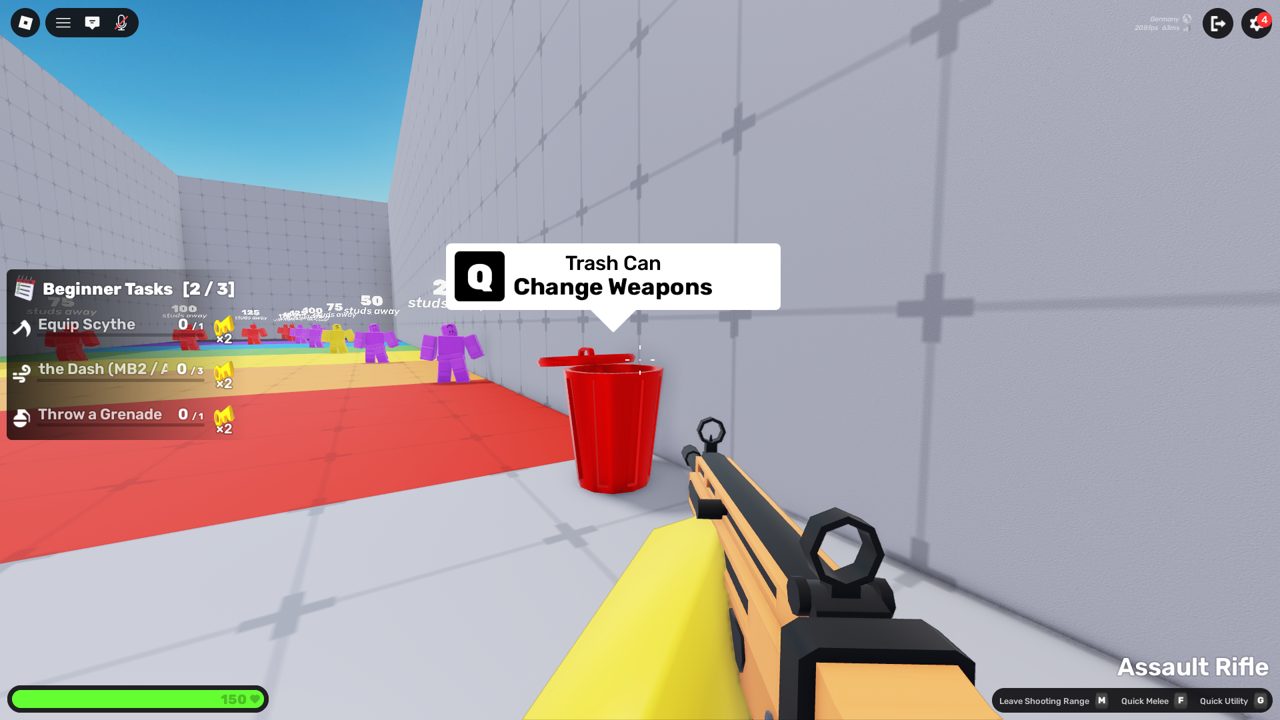
A wide roster where every gun has its own crosshair, its own animations, its own reason to exist.
Weapons split into cheap, do-everything starters and pricier specialists. The starters — burst rifle, assault rifle, a shotgun, handguns — are accurate, moderate-damage tools that carry close-to-mid range. The specialists are gated higher because they warp the game around a single strength.
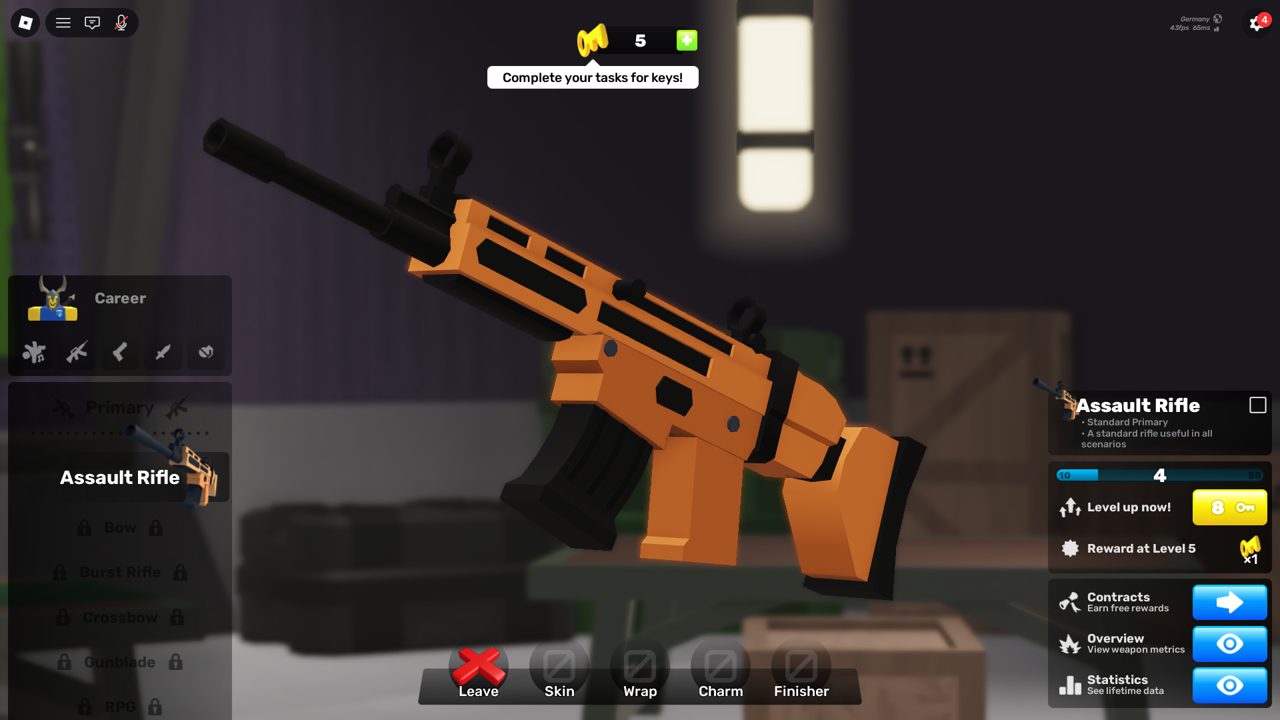
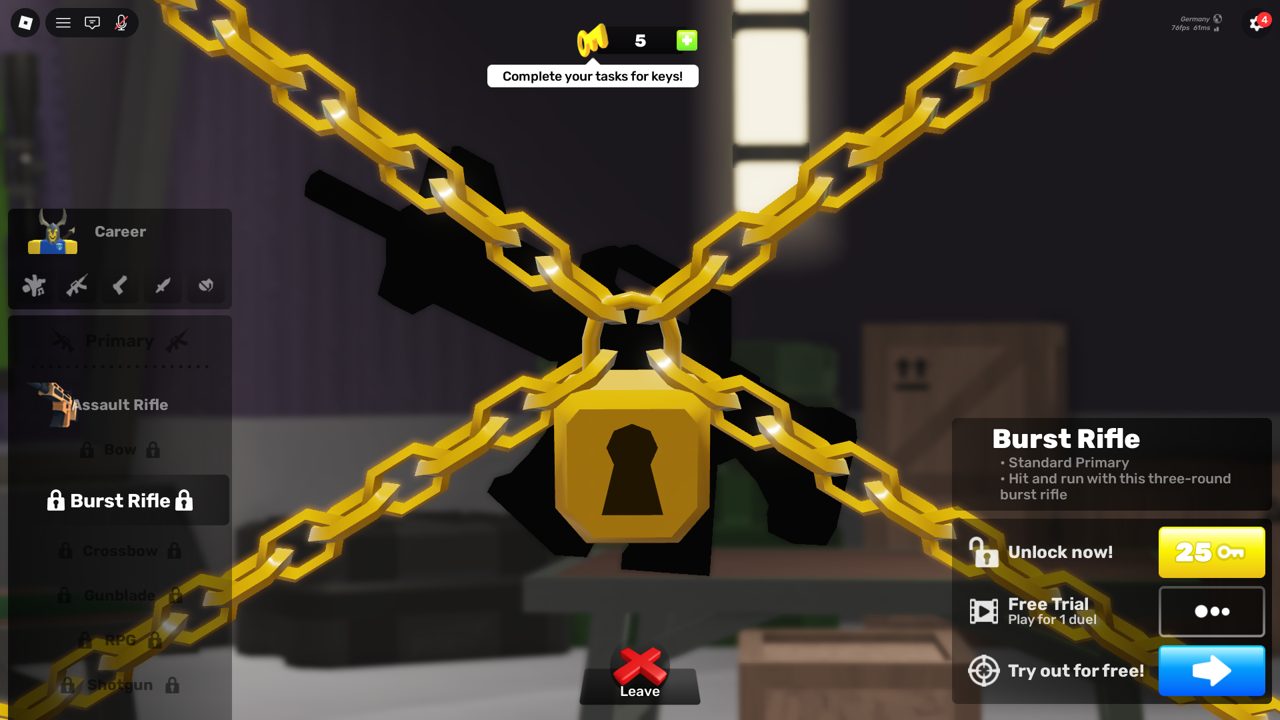
Two things drive a purchase, per the playthrough: the weapon's raw effectiveness in its niche, and its mechanical coolness — the revolver fan-fire, the rocket-jump. Specialists sell on identity as much as stats.
A currency loop that funds unlocks without making skill irrelevant.
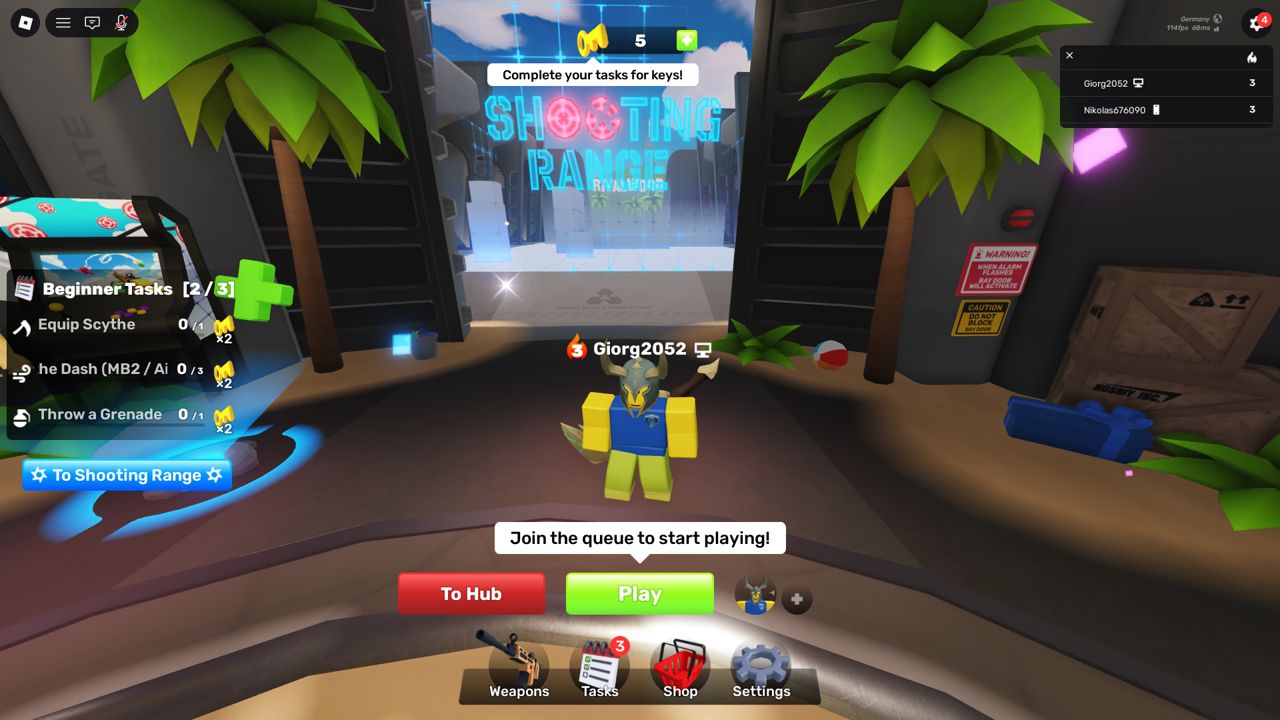
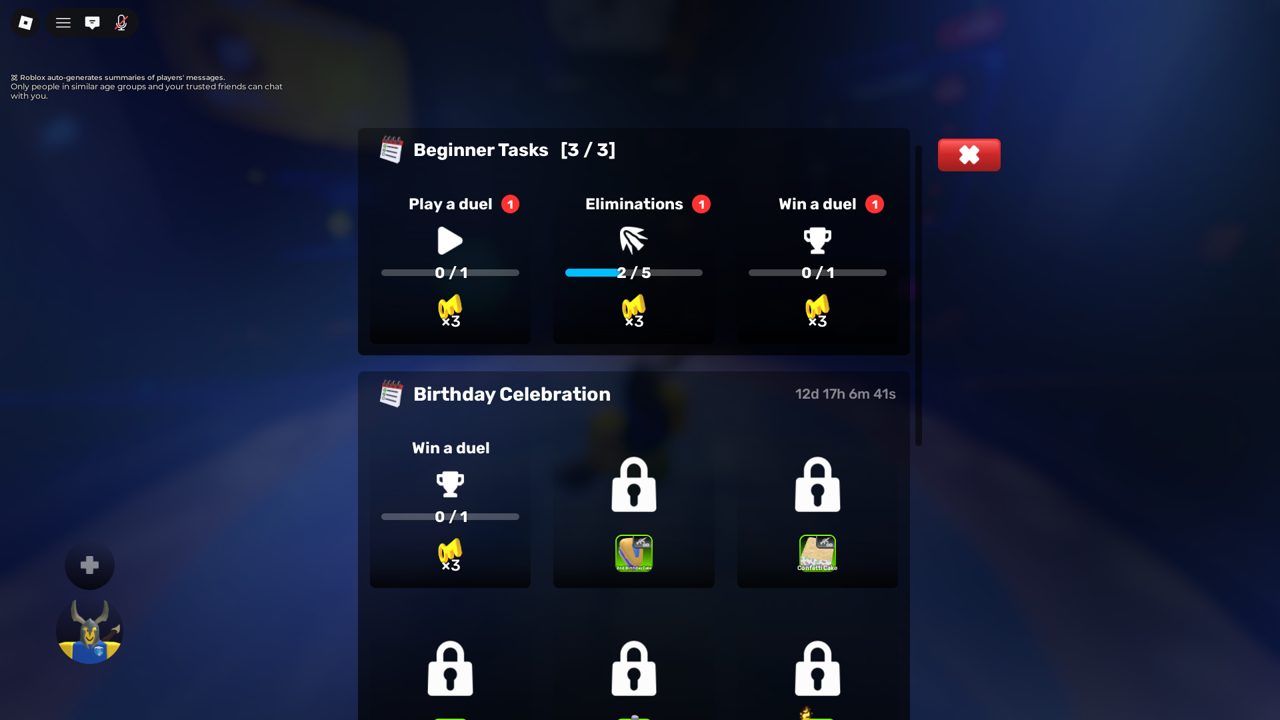
Keys are the golden currency. You earn them by completing rotating tasks — play a duel, rack up eliminations, win a duel — each paying out a small key bundle (×3, ×1). You can also buy keys with Robux, which is where the “light pay-to-win” sits: money buys better guns faster.
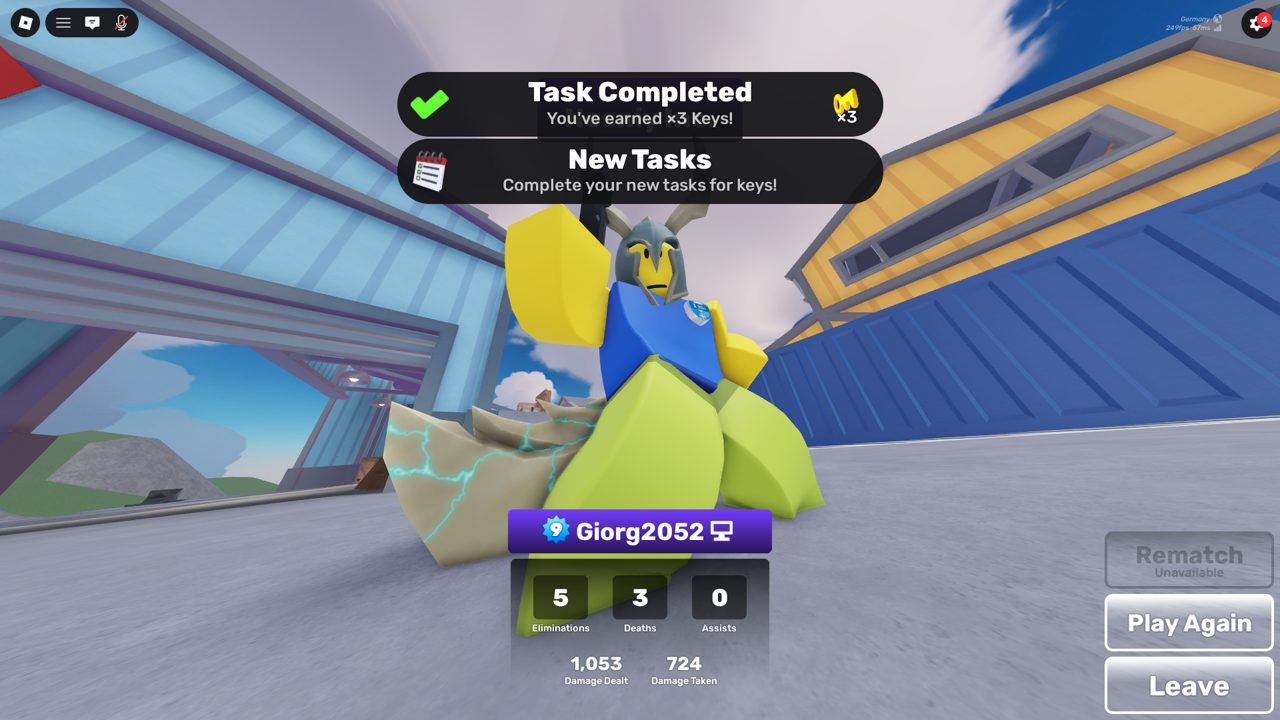
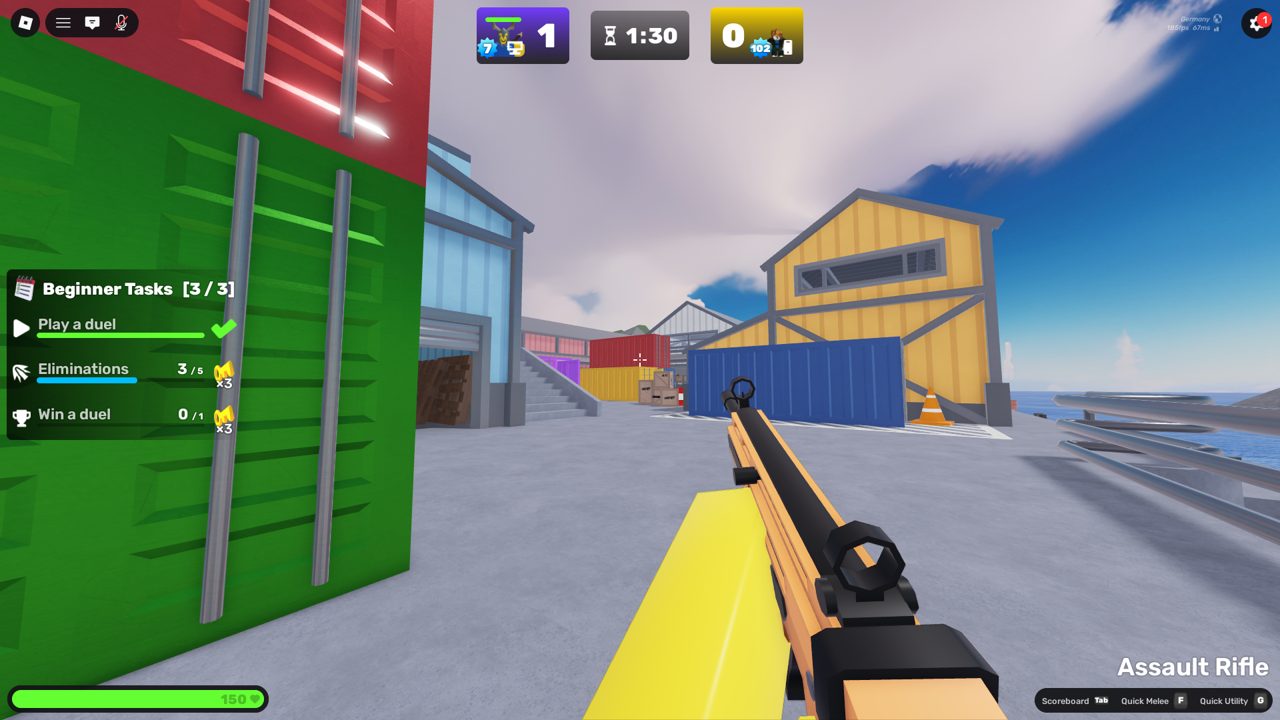
First to five, no ties — and the moment you die is engineered to keep you in.
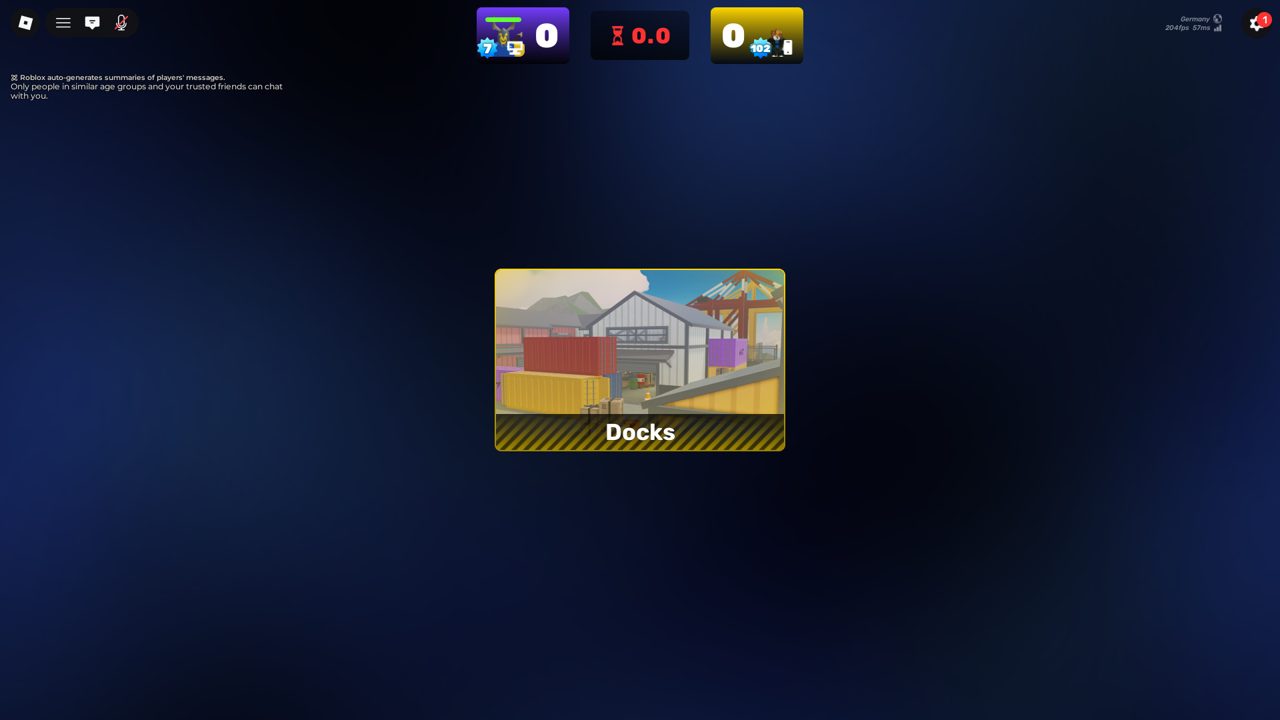
Maps are picked by vote: both players see a slate and the chosen map reflects what they tapped. It hands players a sliver of agency before the fight and quietly teaches the map roster.
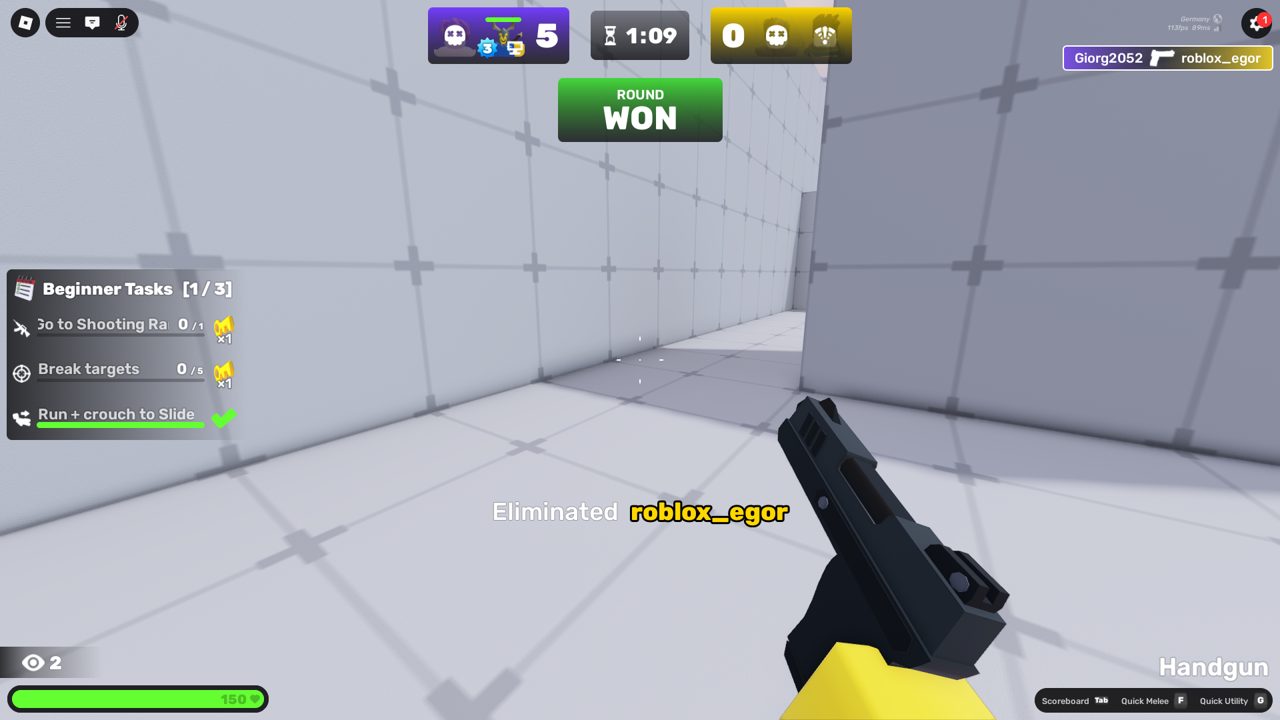
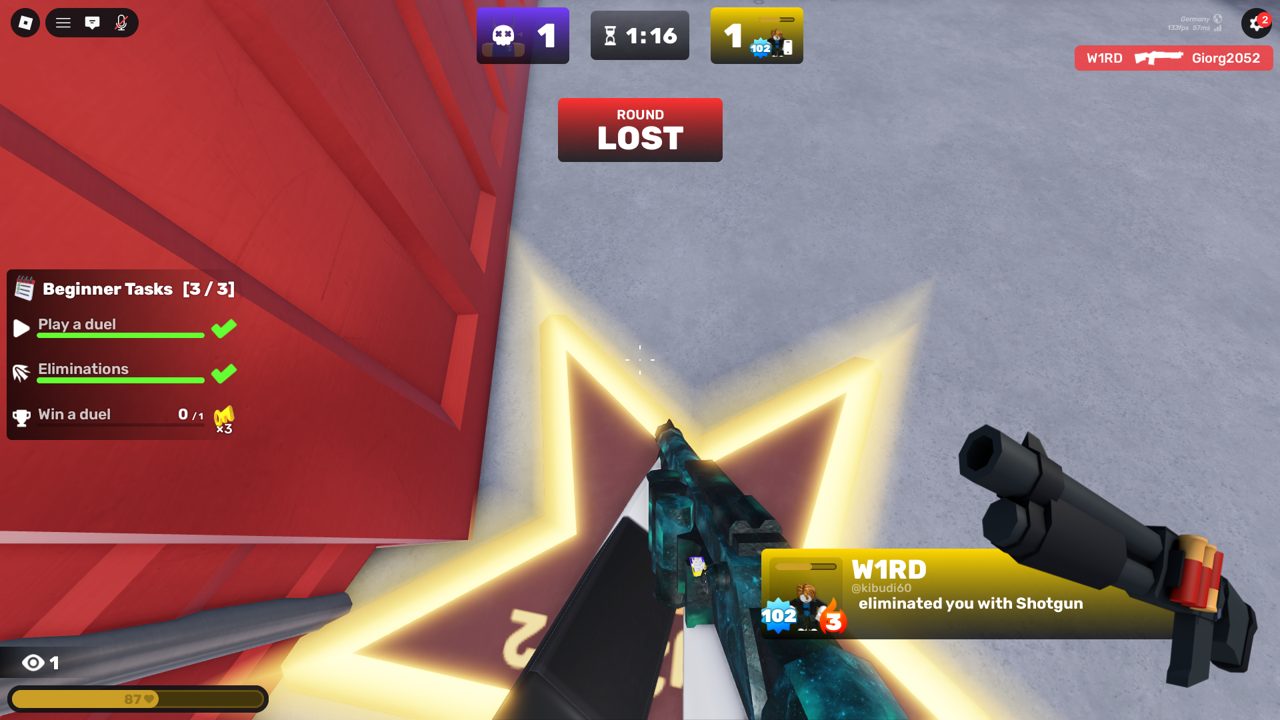
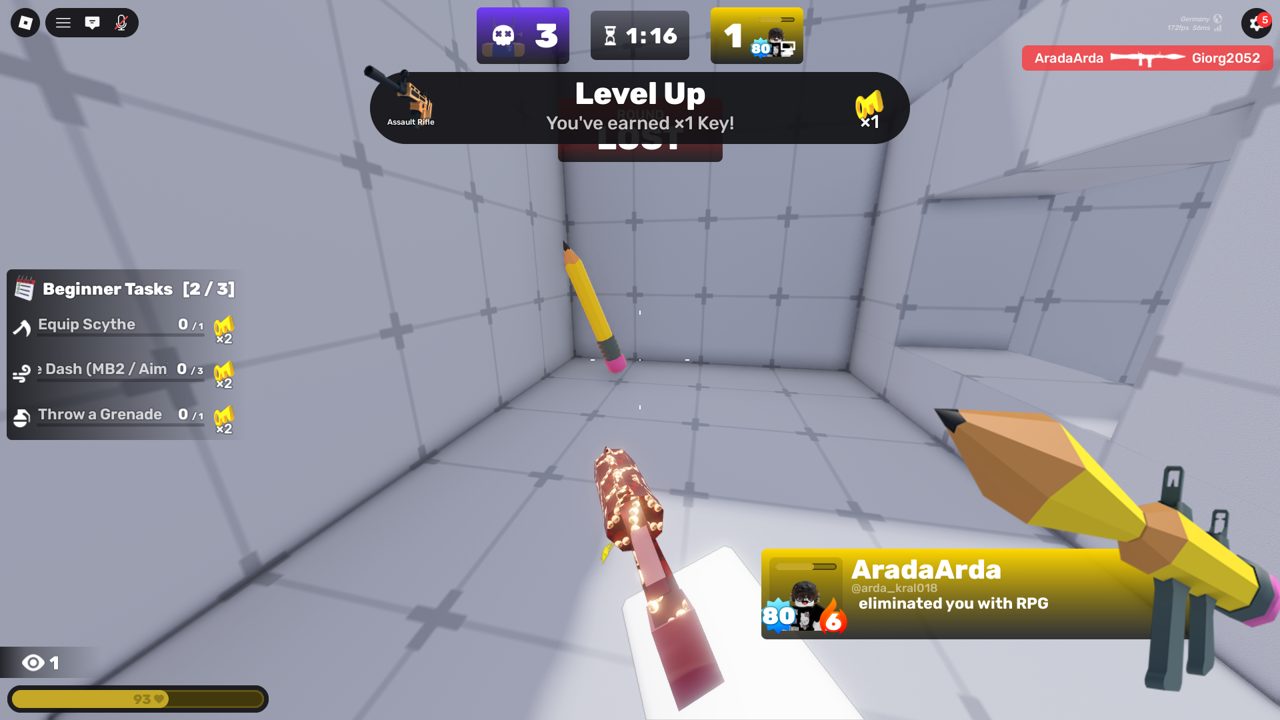
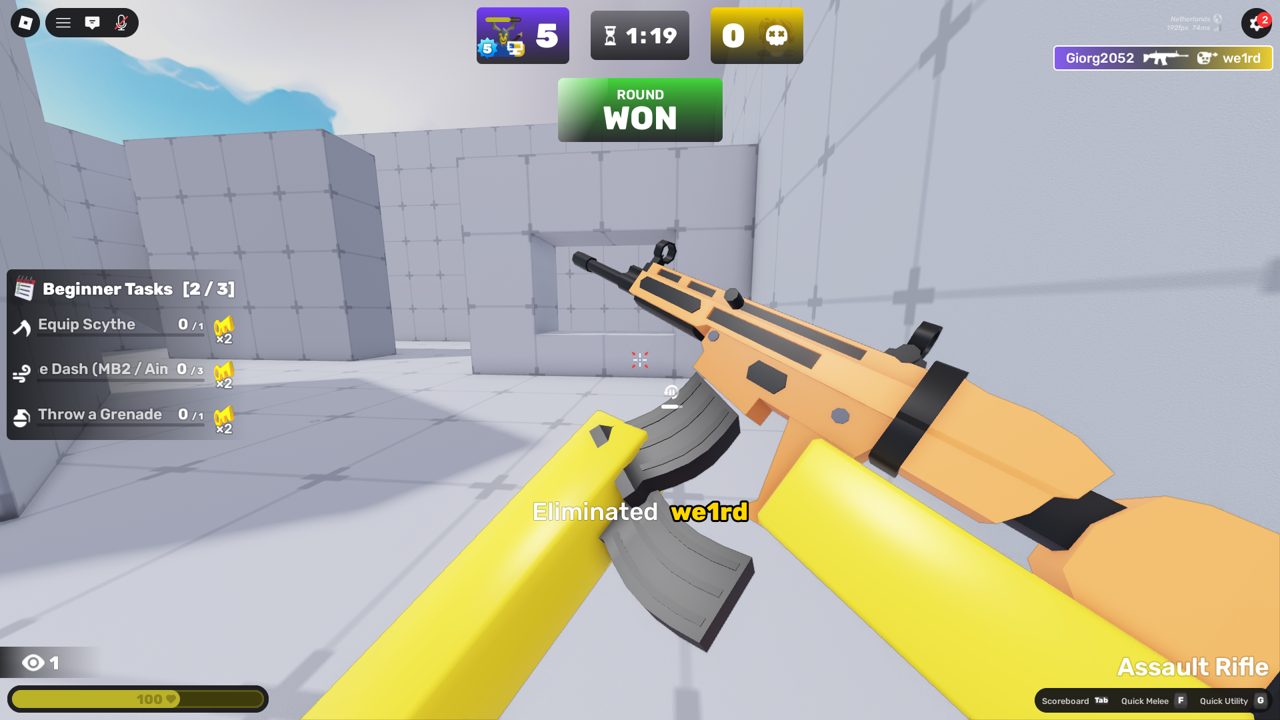
When you die, you get an eliminated screen with the killer's point of view — and during that window they can taunt you. The death cam isn't just information, it's the game's primary social jab. A match-point callout lands before the deciding round, same as the FPS games it's learning from.
The reward for a match win is a spotlight — and the social systems are built to be flexed in.
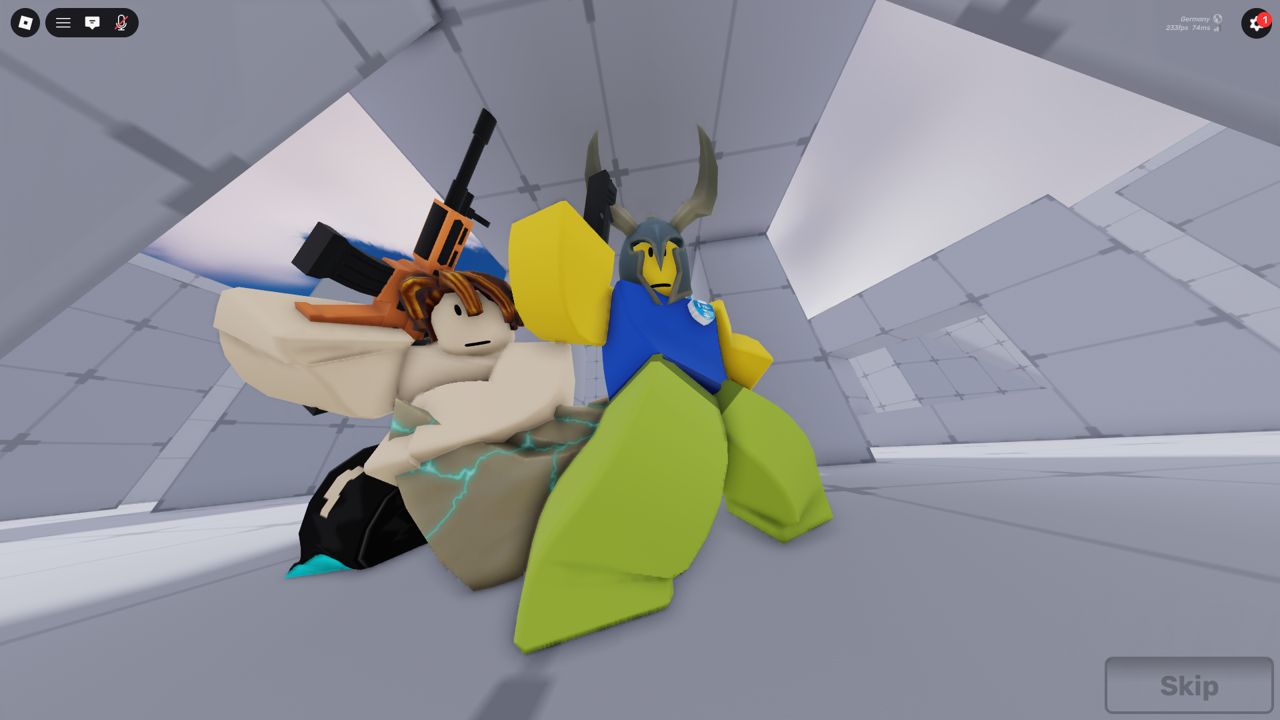
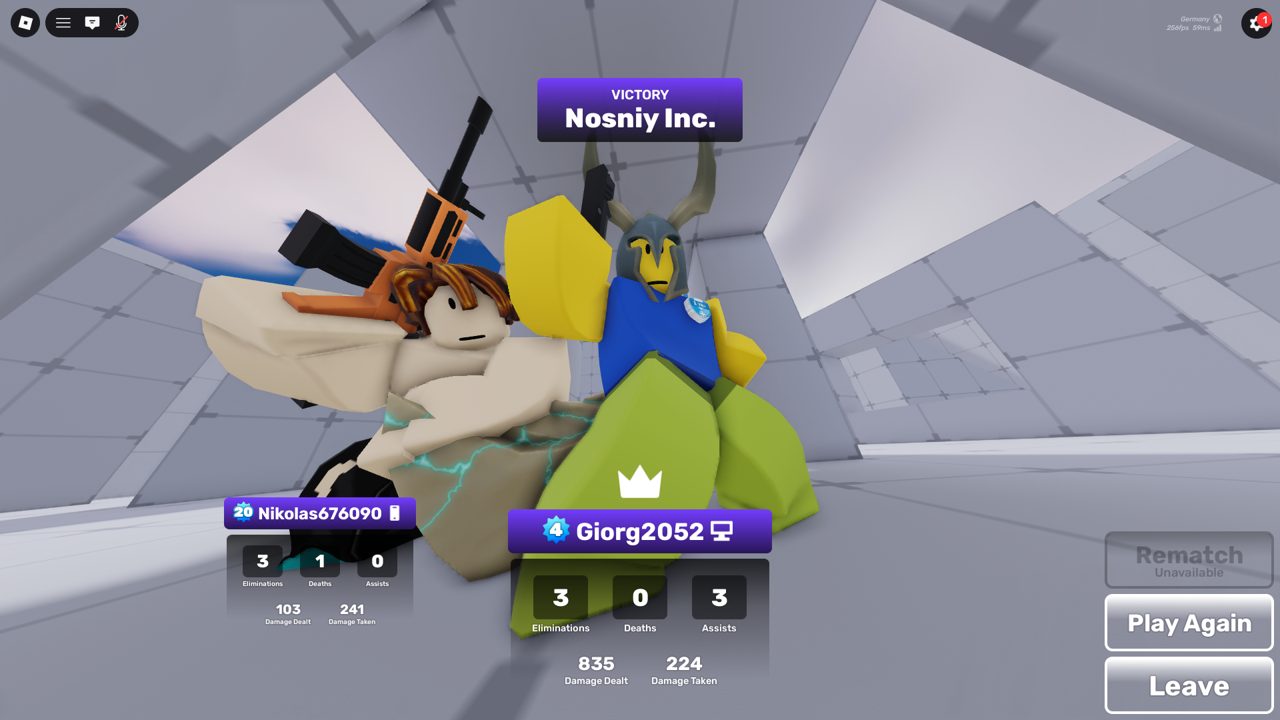
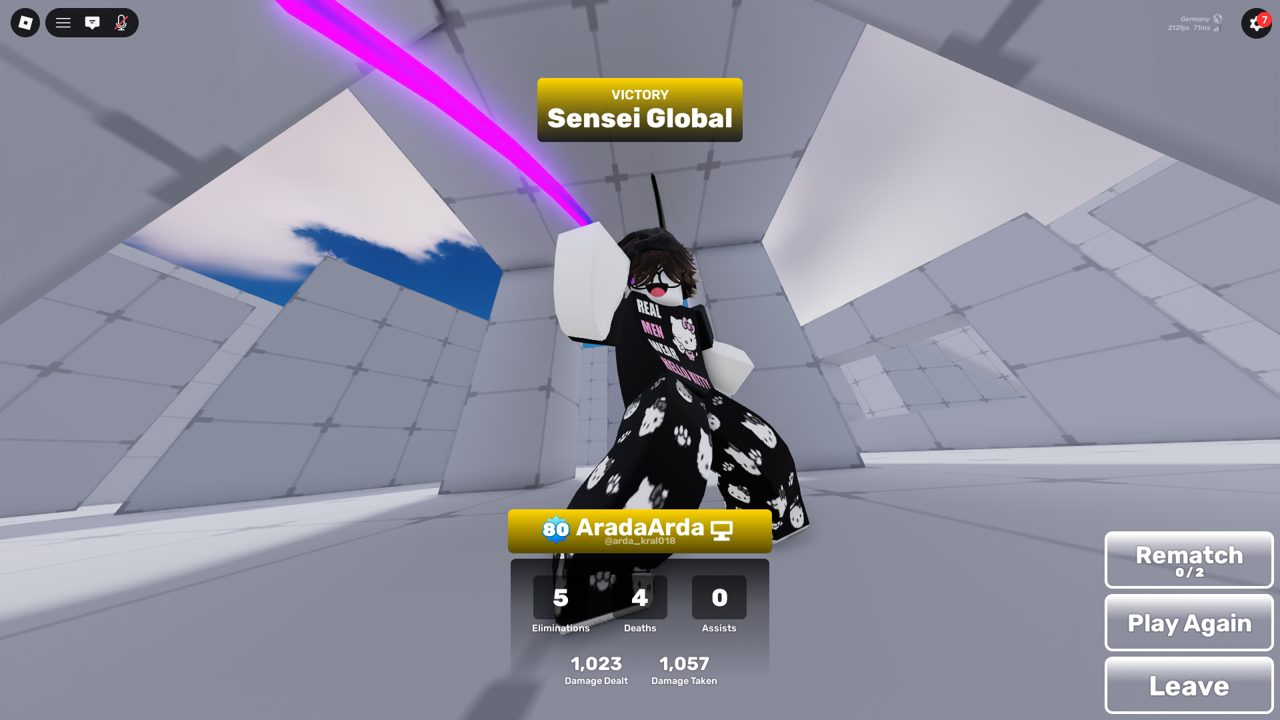
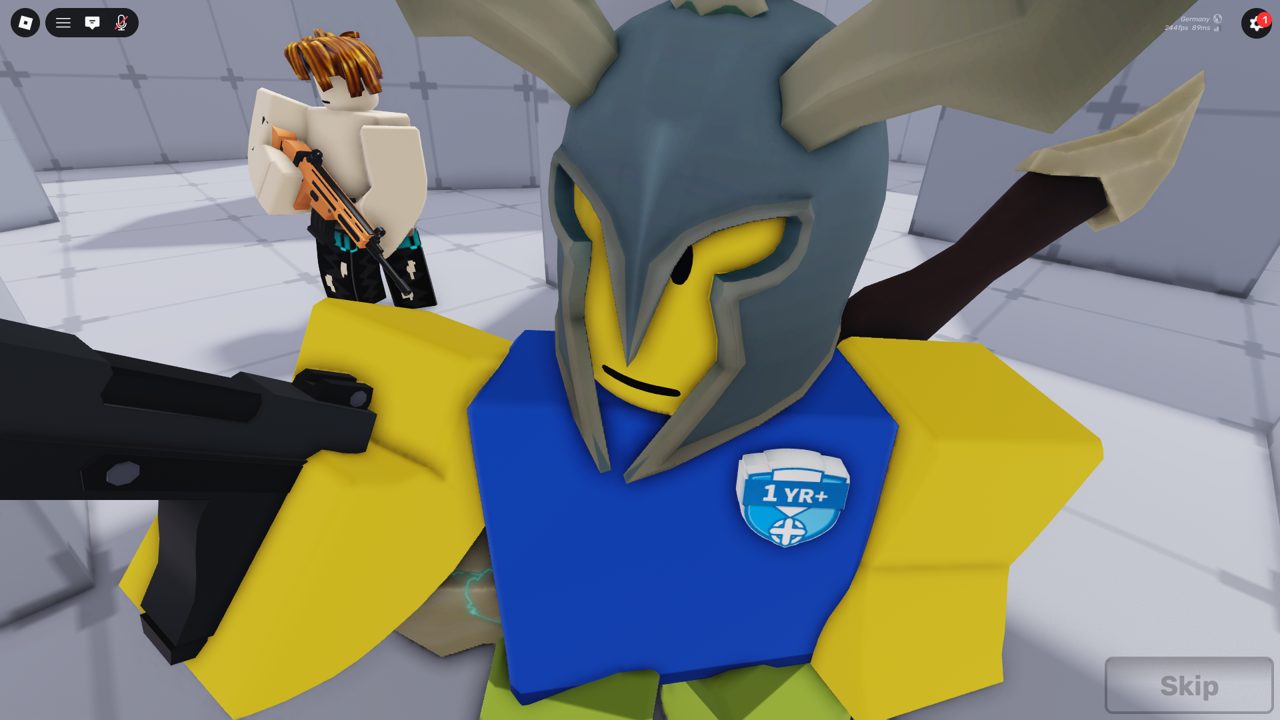
Take the match and the winning team gets a win-pose animation — a hero shot of your character with a team banner and your full K/D/A, Damage Dealt, and Damage Taken. It's a small, repeatable trophy that makes the five-round grind pay off in spectacle, not just a number.
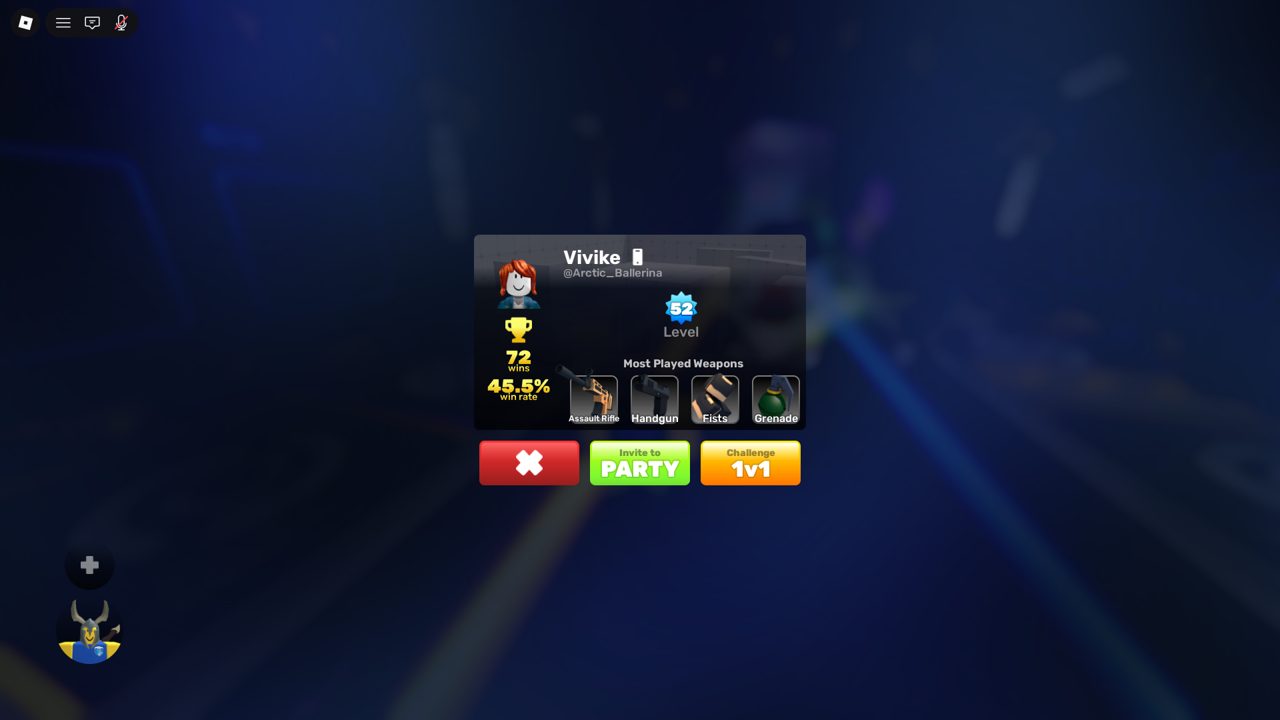
The social loop runs deeper than the podium. You can double-tap any player to read their card — level, total wins, win rate, most-played weapons — and from there invite to party or challenge to a 1v1. There's a win-streak indicator on players, a codes system (which a lot of peers skip), and even loot-box openings spawn in the world so bystanders see what you pulled. “BM” is a first-class verb here: purchasable taunt animations exist specifically so you can rub a win in.
Deep settings for the people chasing the ceiling; crutches for the people just arriving.
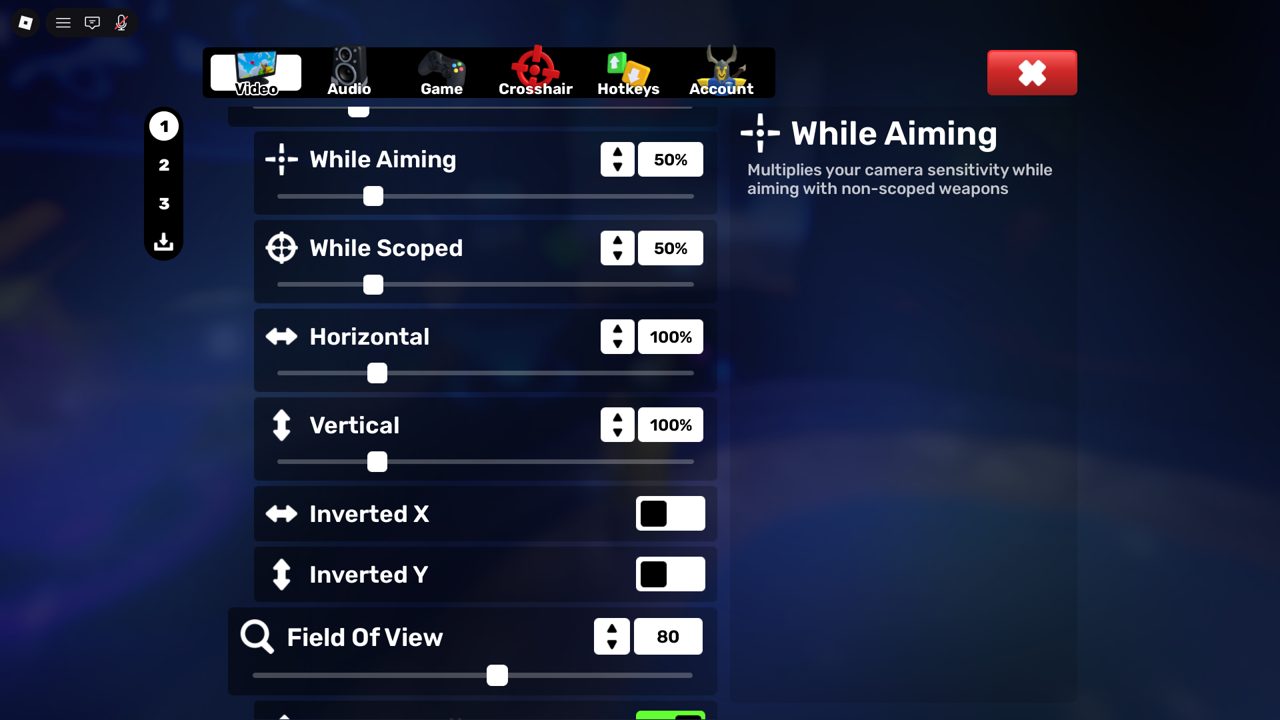
Like any serious FPS, Rivals lets players make the game theirs: custom crosshair, adjustable FOV, and separate sensitivity multipliers for hip, ADS, and scoped aiming. The more a player can dial it in, the more invested they get.
At the other end: auto-aim for controller and mobile and beginner-map wallhacks keep newer and off-platform players from getting flattened by PC aimers. It widens the funnel — though the playthrough is honest that the skill gap across input devices is still real, and beginner lobbies see a lot of mid-match leavers.
Strip away the cosmetics, codes, and crates and here’s the machine underneath.
Queue → fight a first-to-five → the gun feels incredible in your hands → win the spotlight pose or eat a loss that still pays a key and levels you → read the killer’s card, maybe challenge them → spend keys on the next weapon whose feel you already sampled in a free trial → queue again, now a little better than last time.
The risk is the same as its strength: it lives and dies on feel and skill expression. The moment the spring stops floating right, the recoil stops kicking, or matchmaking puts a fresh phone player against a level-104 PC aimer one too many times, the magic leaks out. Rivals spends almost all of its craft budget on the millisecond between trigger and impact — and that bet is exactly why it works.
Spring view-models, weighty per-weapon reloads, camera-shake recoil, and tuned hit feedback put the satisfaction in the act of shooting — available on the default gun, day one.
Crouch-dash, air control, rocket-jump tech, and a no-ties first-to-five make getting better the progression that never caps — and can’t be bought.
Death cams, taunts, tap-to-view cards, win rates, streaks, and a 1v1 challenge button turn anonymous lobbies into a directory of grudges worth re-queueing for.
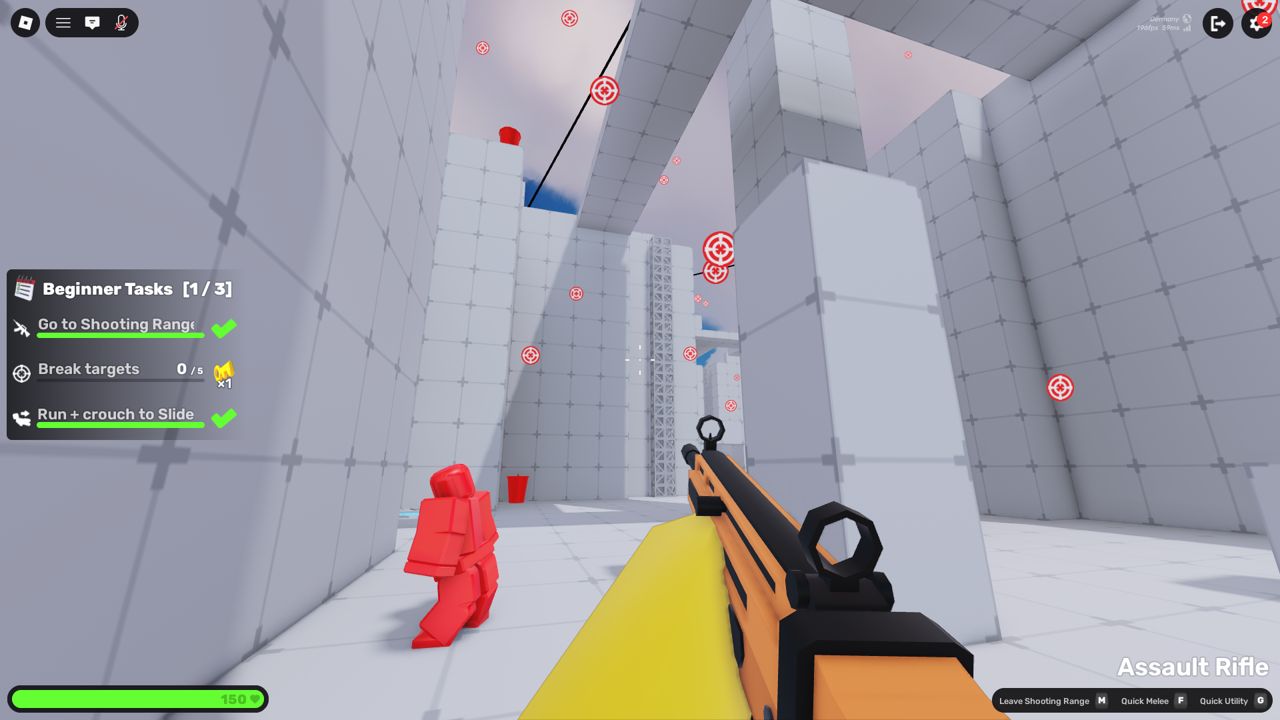
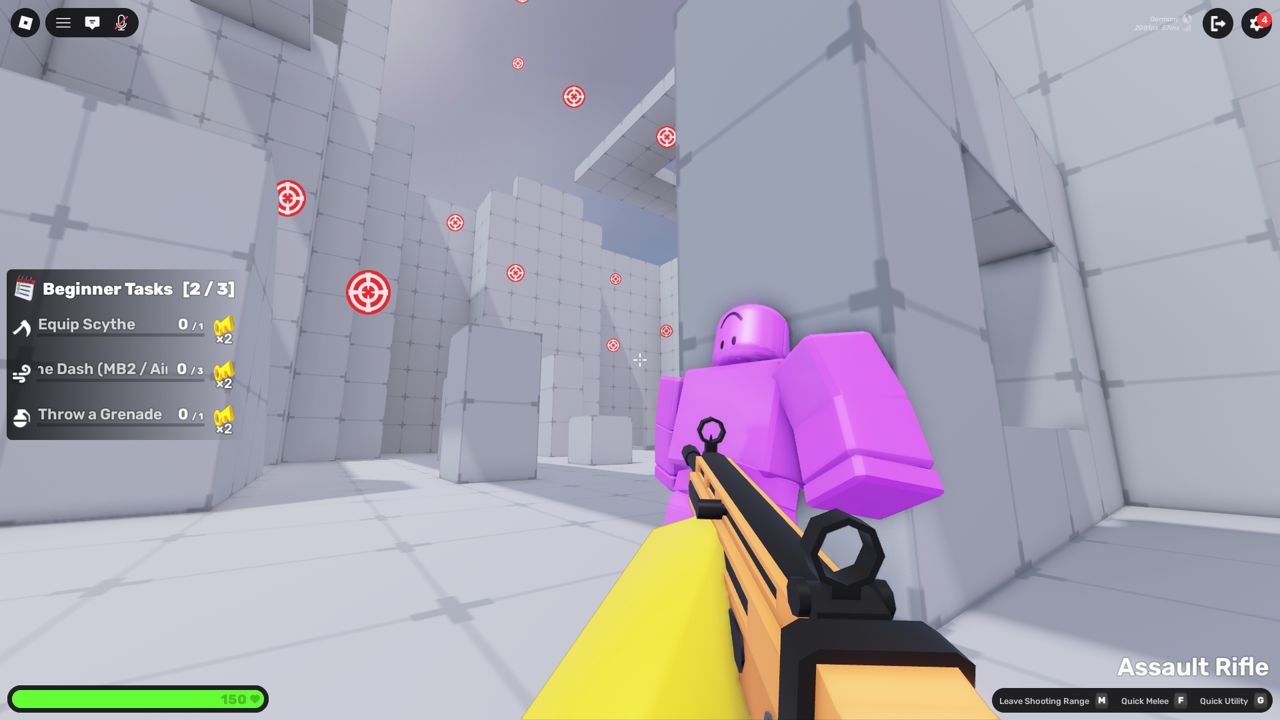
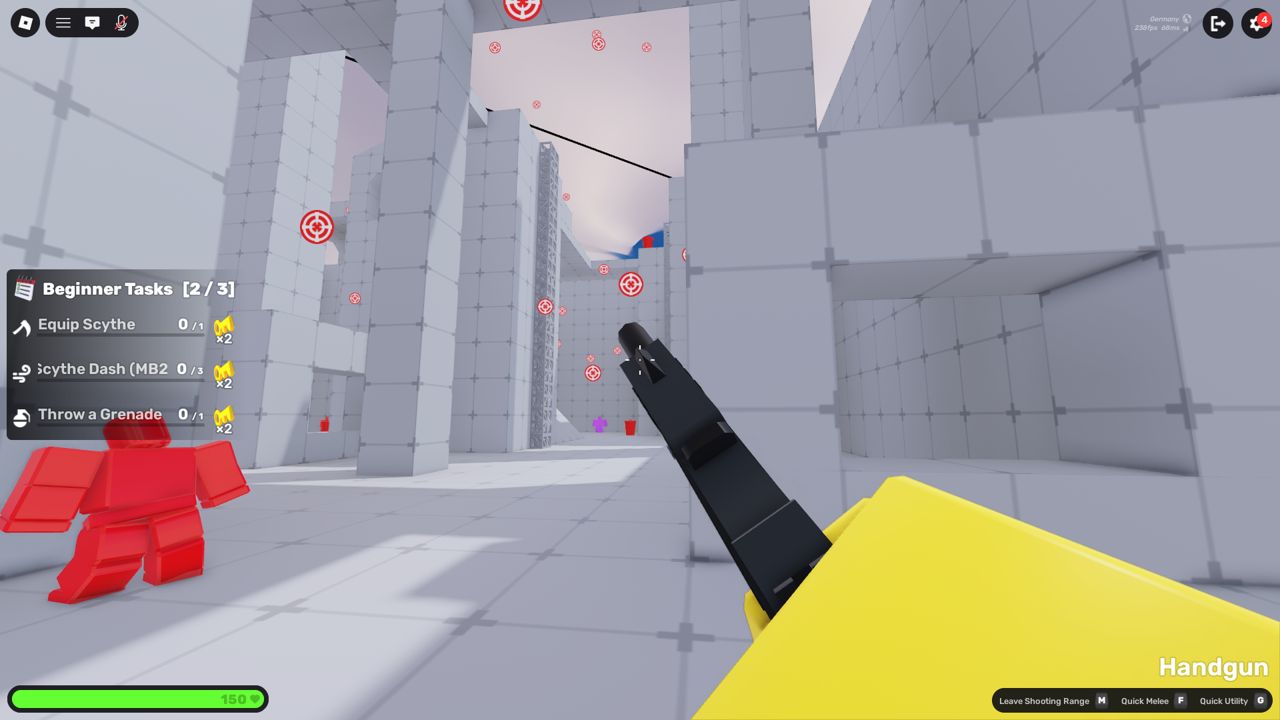
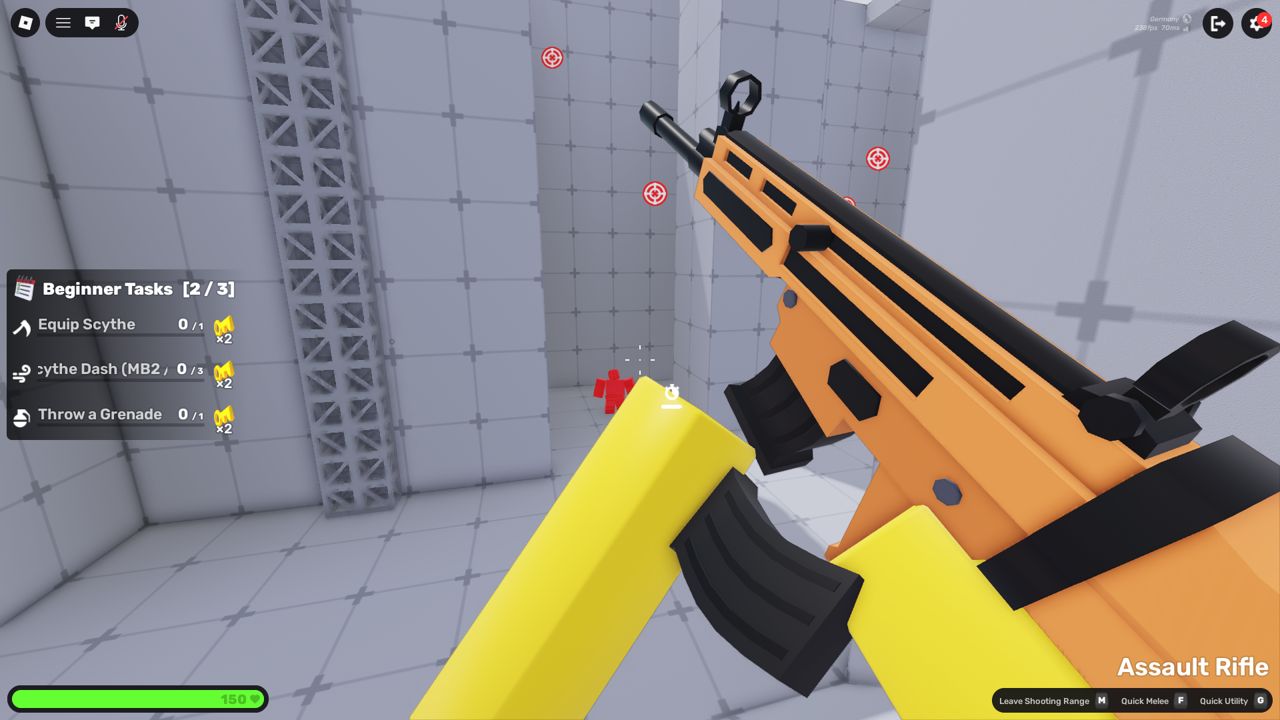
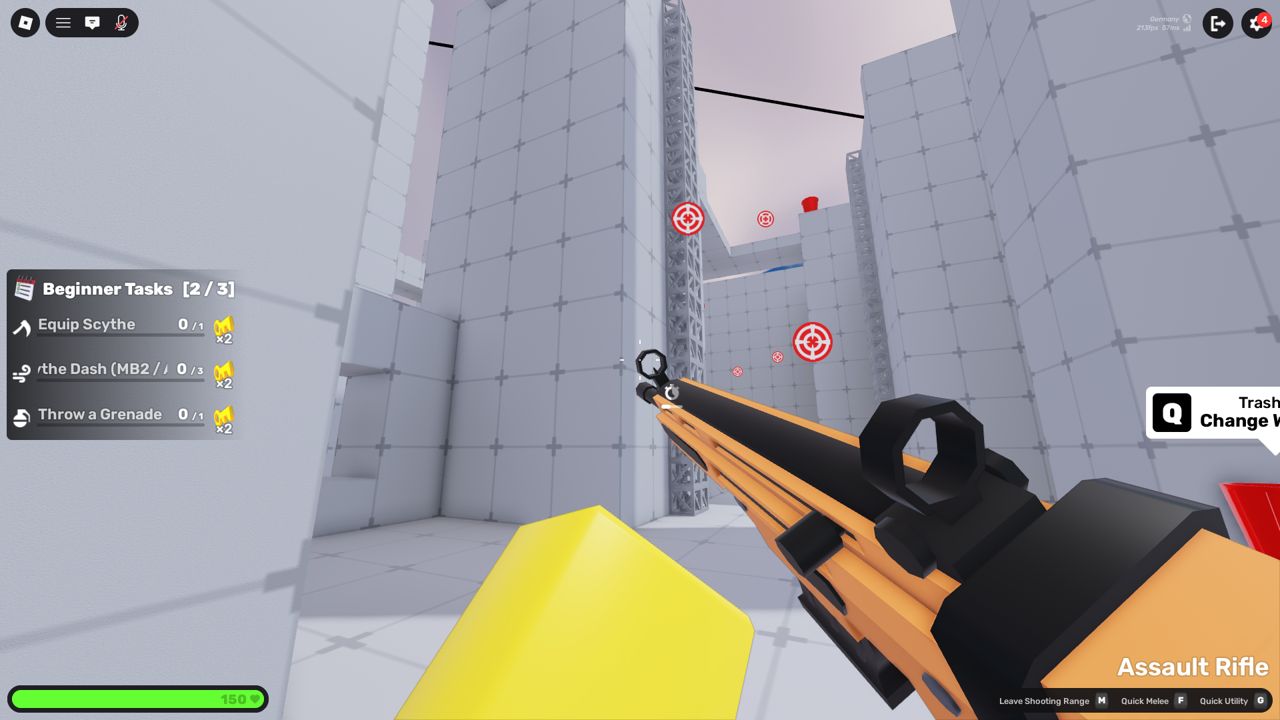
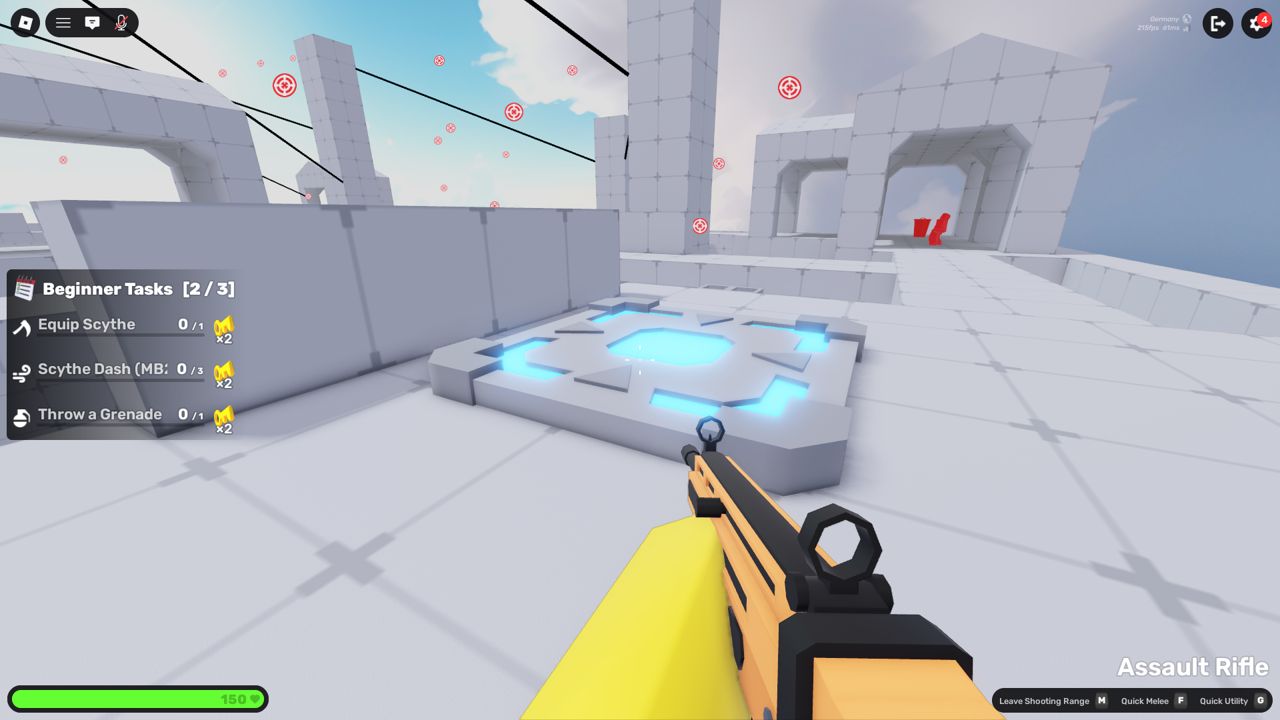
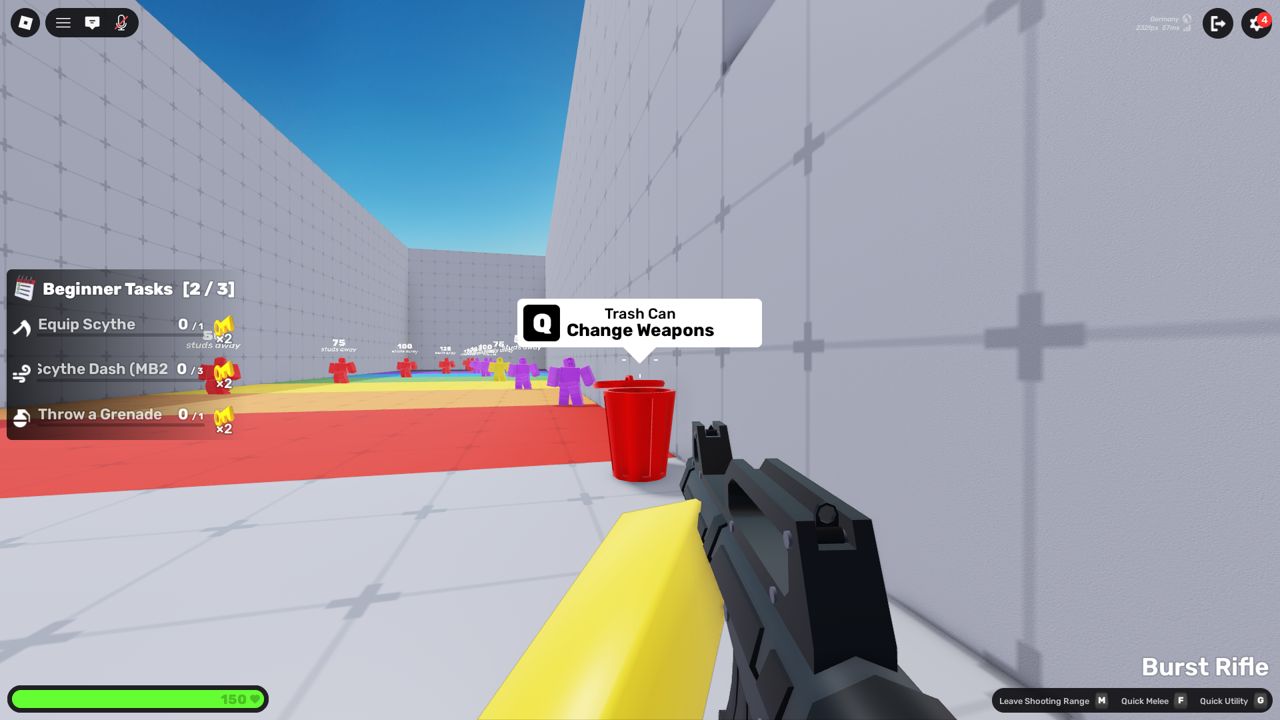
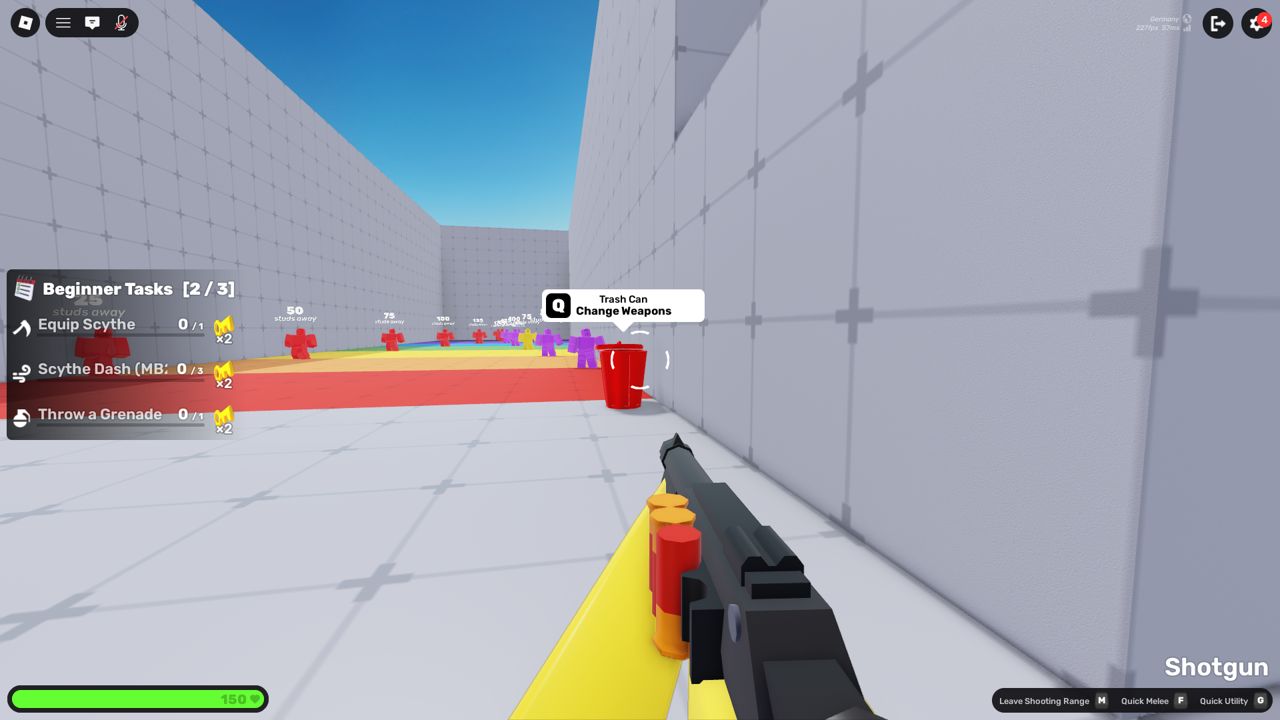
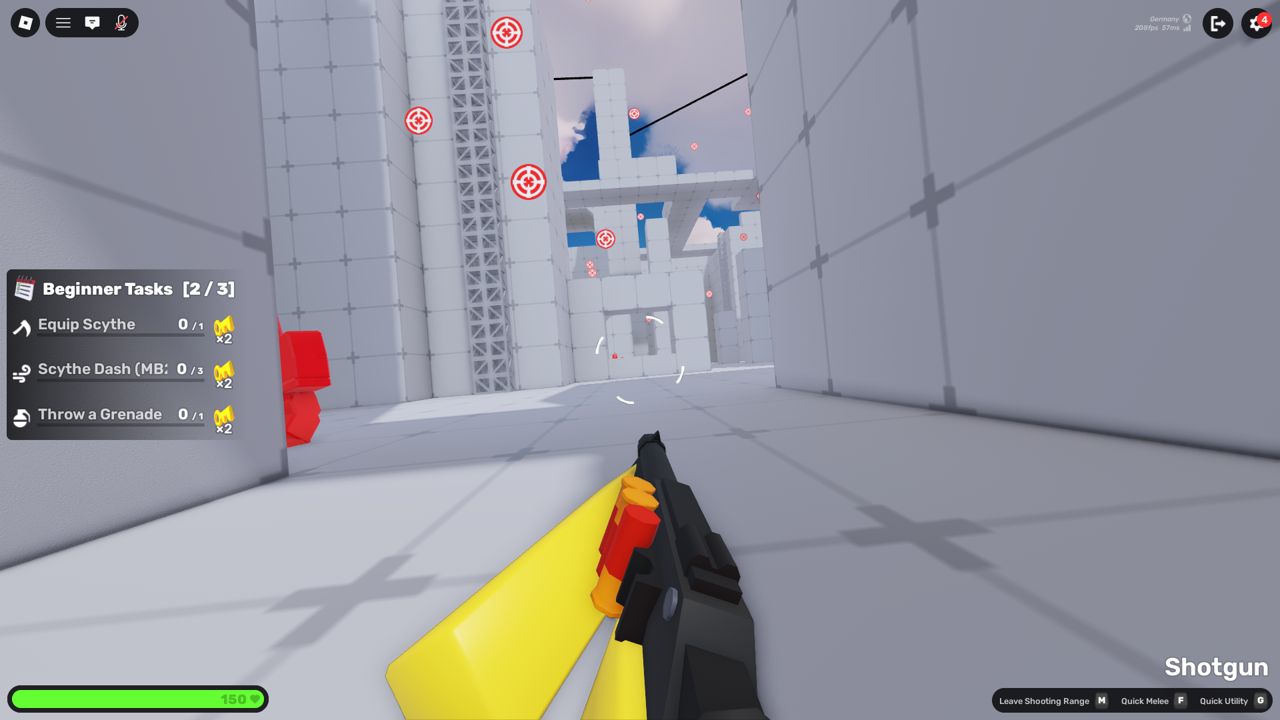
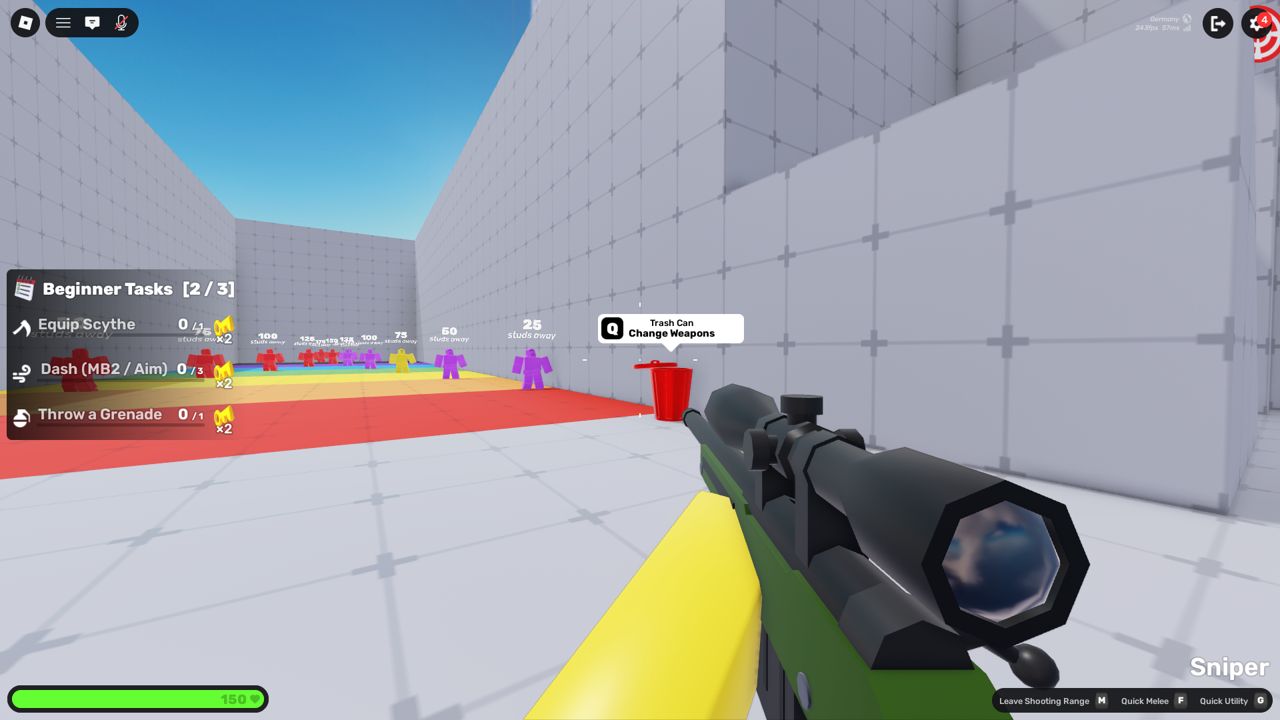
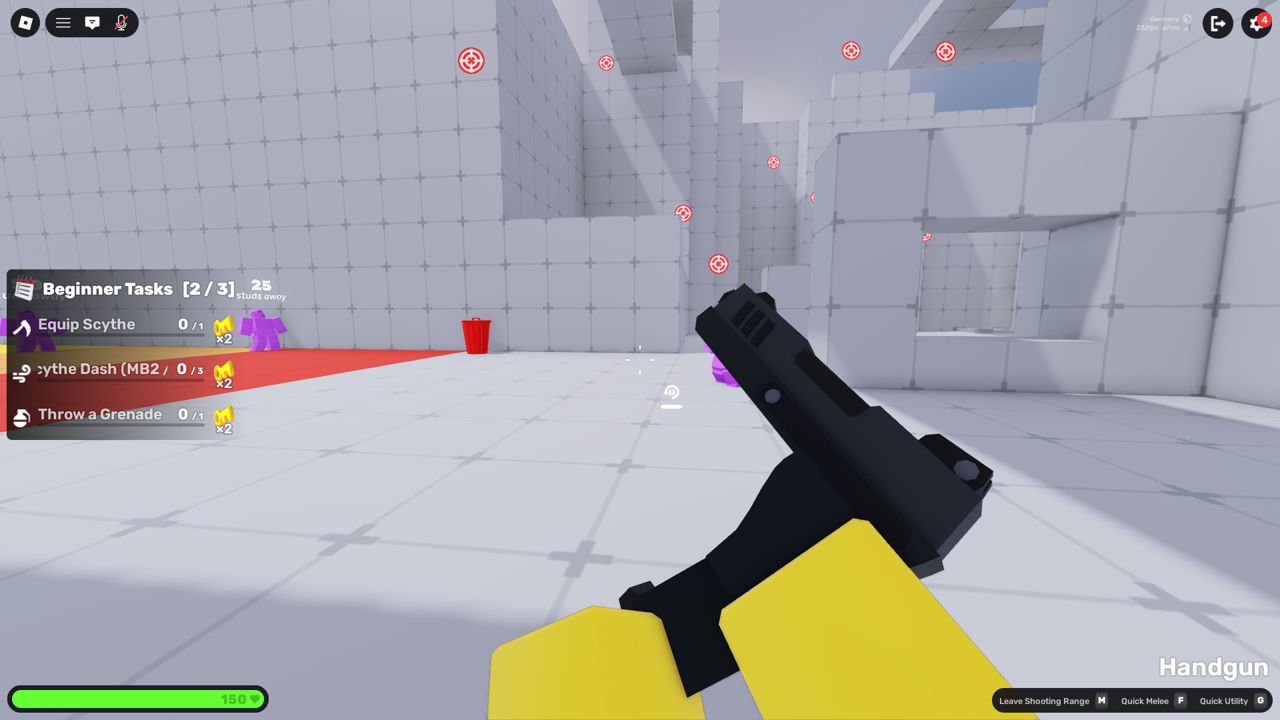
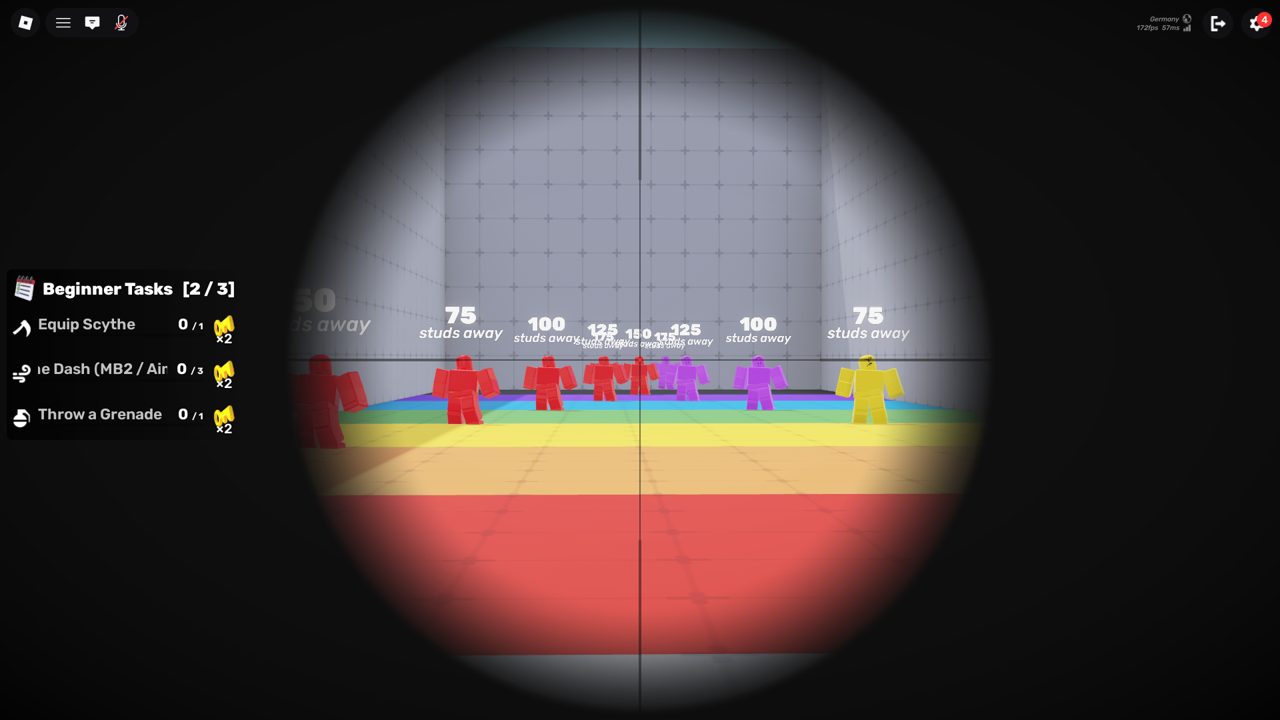
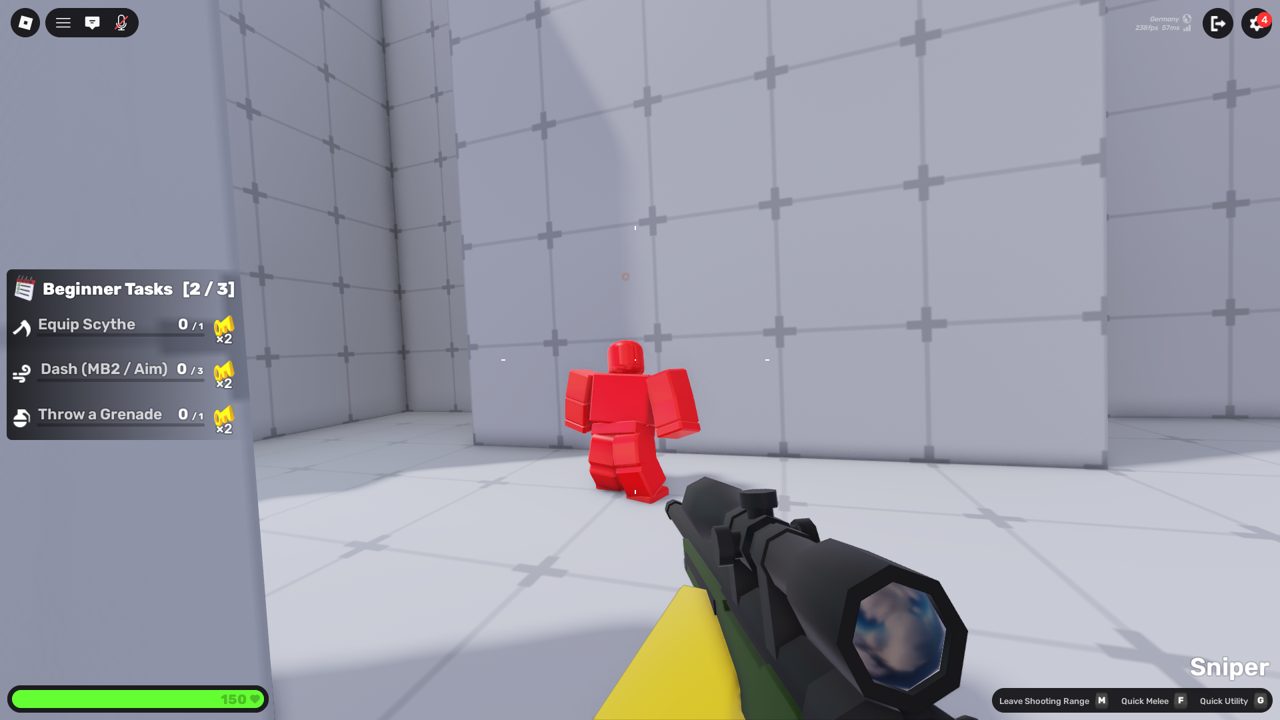
The rest of the playthrough capture — range drills across every weapon class, duel moments, and HUD states.